
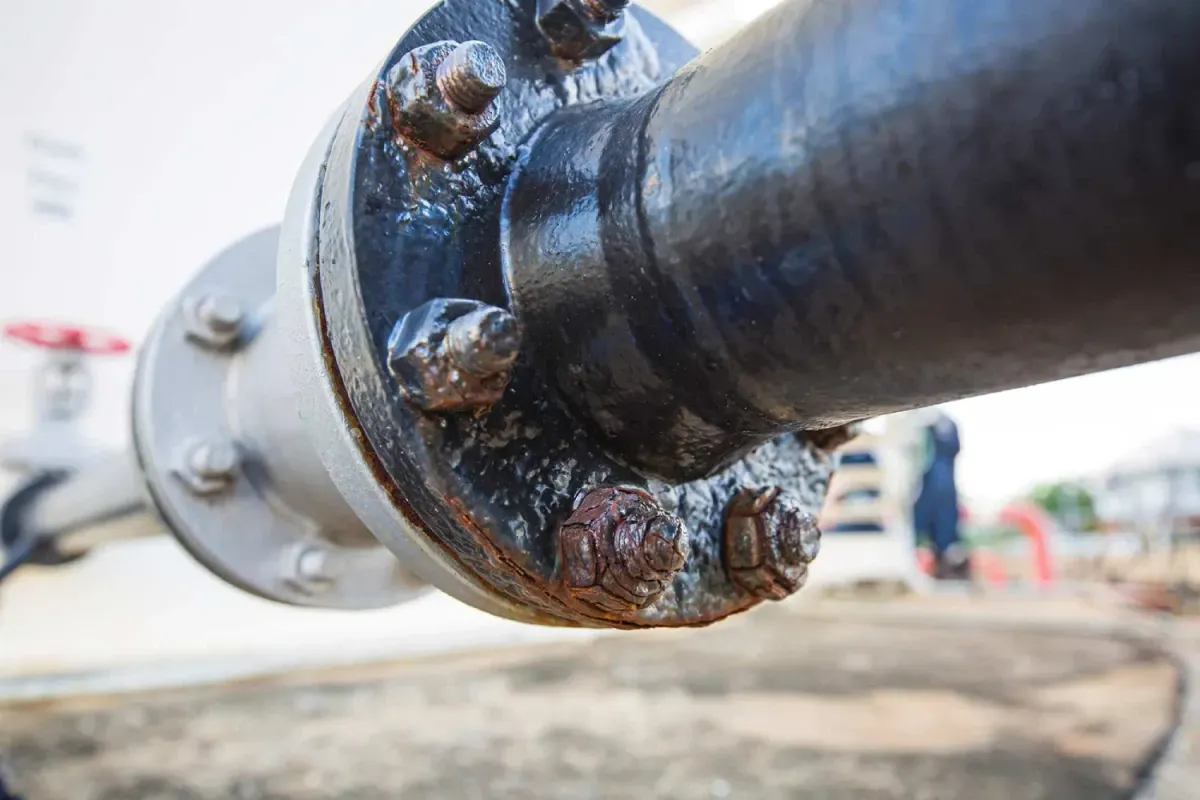
Flange Face Corrosion: What's Really Destroying Your Flanges Before They Ever Reach the Weld
A flange can arrive at a job site already partially compromised, and the damage often happened before it ever reached the yard. Storage conditions, transport handling, and exposure during staging are responsible for a significant share of the corrosion that gets blamed on service conditions later. Understanding where flange face protection actually needs to start changes how much damage shows up before installation even begins.
Corrosion Starts Long Before the Flange Is Bolted Up
An unprotected flange face sitting in an open yard, exposed to humidity, rain, and temperature swings, begins corroding well before it is ever connected to a pipeline. This pre-installation corrosion is frequently underestimated because it happens gradually and out of sight during storage rather than during active service.
Preventing flange face corrosion damage starts the moment a flange leaves the manufacturer, not once it is installed and put into operation. Protective covers during storage and transport prevent a large share of the corrosion that would otherwise need to be addressed before the connection can even be made.
Why Coastal and Humid Storage Sites Are Highest Risk?
Yards located near coastal environments or in consistently humid regions see accelerated pre-installation corrosion compared to dry inland storage, which is why flange protection during staging matters even more in these locations.
Pipe Ends Face the Same Exposure Problem
Flange faces are not the only vulnerable surface during storage and transport. A pipe flange cap protects the open pipe end from the same corrosive exposure and also prevents debris intrusion, which can complicate cleaning and inspection before welding or bolting begins.
Uncapped pipe ends left in storage collect moisture, dust, and occasionally pests, all of which create additional work before the pipe can be safely put into service, beyond the corrosion concern itself.
Why Reusable Covers Matter for Long Storage Periods?
Projects with extended timelines between delivery and installation benefit from reusable, UV-stable protective covers rather than single-use options, since a cover that degrades under sun exposure during a long storage period stops providing protection well before installation actually happens.
Protection That Travels With the Flange
Step-Ko's 316 stainless steel and non-metallic flange face protection covers are designed for exactly this scenario, protecting flange faces, stud bolts, and gaskets from corrosion during storage, transport, and staging, not just after installation is complete. The covers are UV stable, reusable, and designed for easy removal and reinstallation during periodic inspection.
Protect Your Flanges From the Moment They Leave Our Facility
Step-Ko manufactures flange face protection and pipe flange cap products specifically to eliminate the corrosion that happens during storage and transport, long before a connection is ever bolted up. Every cover is built from 316 stainless steel or UV-stable non-metallic material, designed to be reused through multiple inspection cycles rather than discarded after one use. Contact us to protect your flanges from day one, not just from installation day forward.
FAQs
Q: Can flange face corrosion happen before a flange is even installed?
A: Yes. Unprotected flange faces exposed to humidity, rain, and temperature changes during storage or transport can begin corroding well before installation, often more than operators expect.
Q: Why are coastal storage yards higher risk for pre-installation corrosion?
A: Coastal and consistently humid environments accelerate corrosion rates compared to dry inland storage, making protective covers even more important during staging in these locations.
Q: Do pipe flange caps prevent anything besides corrosion?
A: Yes. Caps also block debris, dust, and pest intrusion into open pipe ends, which reduces cleaning and inspection work before welding or connection.
Q: Are reusable flange covers better than single-use protection for long storage periods?
A: Generally yes, since single-use or non-UV-stable covers can degrade under sun exposure before installation actually happens, leaving the flange unprotected during the remainder of storage.
Q: What materials are flange face protection covers typically made from?
A: Common options include 316 stainless steel and UV-stable non-metallic materials, both paired with a closed-cell rubber liner for additional sealing protection.