Flange Isolation Kits: The One Wrong Component That Silently Breaks Your Whole Cathodic Protection System
A cathodic protection system can be engineered correctly, installed correctly, and still fail because of one small component buried inside a flange connection. A flange isolation kitis supposed to eliminate metal-to-metal contact at the flange face, but if even one part of that kit is wrong for the application, the isolation it is supposed to provide never actually happens, and nobody finds out until stray current corrosion has already done damage underground or offshore.
Why Isolation Failure Is Invisible Until It Isn't?
A properly installed flange isolation gasket kitstops static current from bridging across a flange connection, which is what protects the cathodic protection system from being defeated at that single point. When isolation fails, there is no alarm, no leak, and no visible sign at the surface. The pipeline simply loses protection at that joint while continuing to operate normally in every other respect.
This is exactly why isolation failures are discovered so late. Flange isolation kits cathodic protection performance depends entirely on every component in the kit doing its job simultaneously, and a single weak link does not announce itself the way a mechanical failure would.
The Washer Nobody Checks
Isolation sleeves and washers are often treated as an afterthought compared to the gasket itself, but a washer with the wrong dielectric rating or a sleeve that has been nicked during installation can create exactly the bridge the entire kit was designed to prevent.
What Actually Defeats a Flange Isolation Kit?
Contamination between the gasket faces is one of the most common causes of isolation failure. Debris, moisture, or even a stray metal shaving bridging the gap can restore metal-to-metal contact electrically even though the physical gasket is still seated correctly.
Improper torque sequencing during installation is another frequent cause. A flange isolation kitinstalled with uneven bolt torque can crack the gasket material or shift the sleeve just enough to compromise isolation, without ever visibly failing the connection itself.
Why Material Selection Inside the Kit Matters?
Gasket material, sleeve material, and washer material all need to be matched to the specific service conditions, temperature, and pressure of the line. Mixing components from different sources or substituting based on availability rather than specification is a common way isolation performance quietly degrades.
Building the Kit Correctly From the Start
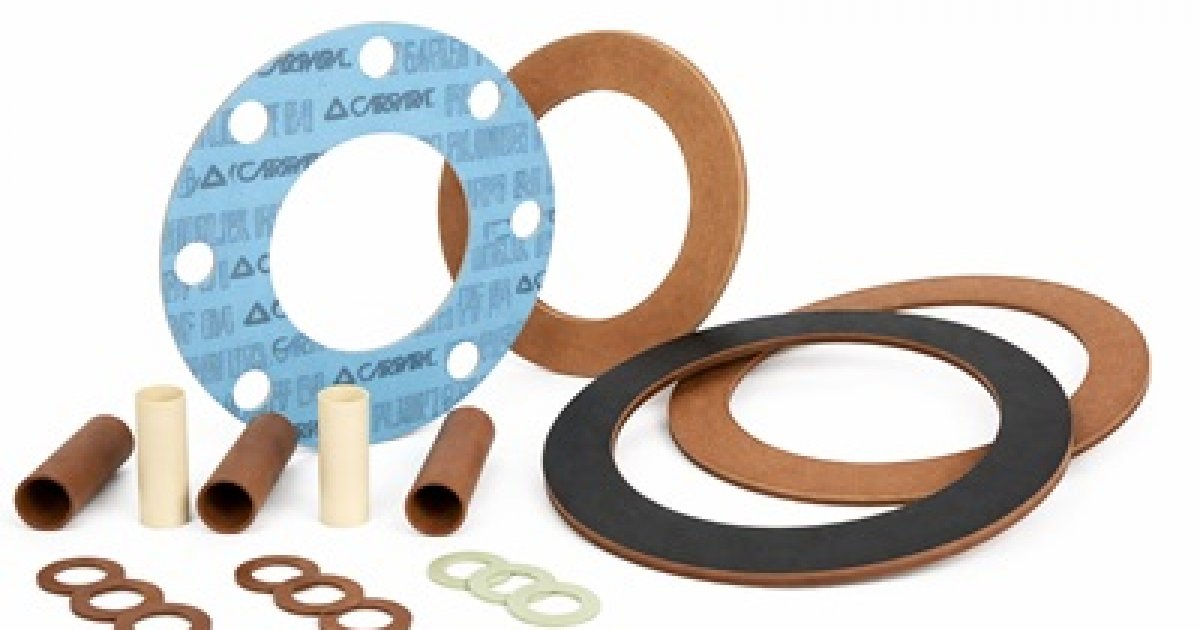
A complete flange isolation gasket kitincludes gaskets, sleeves, and washers engineered to work together as one system, not individual parts sourced separately and assumed to be compatible. Step-Ko manufactures kits with high dielectric constant and low water absorption materials specifically so isolation performance holds up over the life of the connection, not just at initial installation.
Every kit is available from ½" to 144" in ANSI and API classes, with custom configurations available when a standard size does not match the application.
Protect the System You Already Built
Byron Stephens founded Step-Ko Products in 2000 specifically because pipeline operators needed isolation components they could trust without second-guessing every part inside the kit. Every flange isolation gasket kit we manufacture is engineered as one matched system, not a collection of separately sourced parts, so your cathodic protection system stays protected at every joint. Speak with our isolation specialists and get a kit built for your exact service conditions.
FAQs
Q: How can you tell if a flange isolation kit has failed if there are no visible symptoms?
A: Electrical isolation testing at the flange connection is the only reliable way to confirm a kit is still providing isolation, since physical inspection alone will not reveal a failed dielectric barrier.
Q: What causes contamination to bridge an isolation gasket?
A: Debris, moisture, or metal shavings trapped between the gasket faces during installation or maintenance can restore electrical contact even when the gasket itself remains physically intact.
Q: Does improper bolt torque actually affect isolation performance?
A: Yes. Uneven torque sequencing can crack gasket material or shift isolation sleeves just enough to compromise the dielectric barrier without causing a visible mechanical failure.
Q: Can components from different isolation kits be mixed during installation?
A: This is not recommended, since gasket, sleeve, and washer materials are engineered to work together as one matched system with consistent dielectric and water absorption properties.
Q: Are flange isolation kits available in custom sizes outside standard ANSI classes?
A: Yes. Step-Ko manufactures kits from ½" to 144" in ANSI and API classes, with custom configurations available for connections outside standard sizing.