
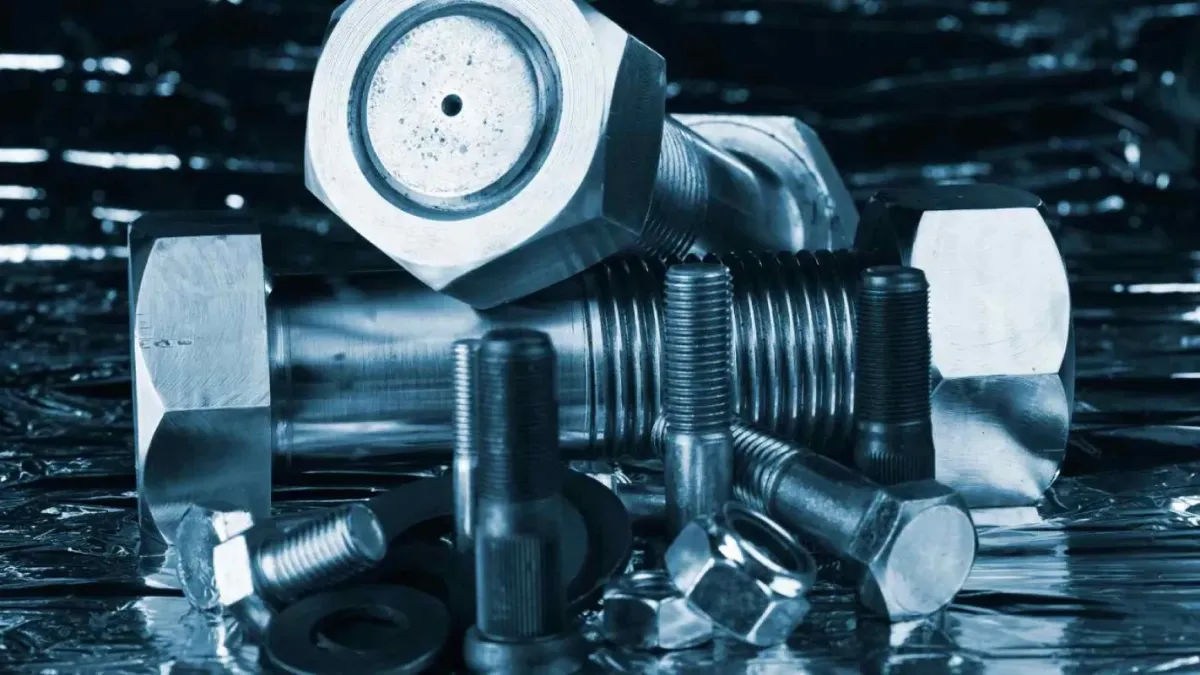
Nut and Bolt Protection Caps: What's Silently Eating Away at Fasteners on Coastal and Offshore Sites
Fasteners rarely draw attention until corrosion makes removal difficult or replacement unavoidable. On coastal and offshore sites, exposed bolts and nuts face moisture, debris and environmental exposure that can work against a connection over time. At Step-Ko Products, we use nut and bolt protection caps to create a physical barrier around exposed hardware instead of leaving threads open to those conditions.
Why Exposed Fasteners Become Weak Points In Service
Bolts and nuts on flange connections may look small beside surrounding equipment, but they remain directly exposed to the environment. Step-Ko identifies rust, moisture, debris and environmental exposure as key concerns. Our product information also notes that corroded stud bolts and nuts can become costly to service when fasteners must be cut away.
Protecting these fastening points early is therefore part of practical preventative maintenance rather than something to consider only after corrosion is obvious.
How Nut and Bolt Protection Caps Limit Exposure
Our polyethylene nut and bolt protection caps are designed to cover the bolt and nut while shielding exposed threads from corrosive elements. The cap adds a protective enclosure around an area that would otherwise remain open.
Step-Ko offers two documented configurations:
Model 1 uses a vertical snap section that fits beneath the nut and forms a sealing lip over the connection.
Model G threads onto the connection when at least one-half inch of exposed bolt thread is available.
Both are intended to reduce exposure of vulnerable fastening surfaces.
Where Bolt and Nut Protection Caps Matter Most
Step-Ko identifies these protectors for demanding industrial and marine environments. Our flange protection information specifically references harsh offshore platforms plus refinery and chemical plant applications.
In these environments, bolt and nut protection caps provide a practical way to cover fastening hardware. The purpose is preventative: reduce direct exposure before corrosion has more opportunity to affect the stud bolt or nut.
Why Waiting For Visible Rust Can Cost More
Environmental attack does not need dramatic damage to begin. Moisture and contaminants can remain around exposed threads before a connection looks heavily corroded. Step-Ko notes that protecting steel stud bolts and nuts early can help avoid the expensive work associated with bolt replacement later.
This is why fastener protection belongs in planning rather than only in repair discussions. Once deterioration makes a bolt difficult to remove, maintenance may require more labor than servicing an accessible connection.
What The Cap Design Actually Does In Service
Model 1 fits under the nut to create a tight sealing lip. Model G uses exposed thread to secure the protector. For teams considering bolt and nut protection caps, selection depends on connection geometry and exposed thread. Model G specifically requires at least one-half inch of exposed thread according to Step-Ko's product information.
That distinction matters because the protective approach is based on enclosing exposed hardware rather than changing the flange connection itself.
Small Protective Parts Can Support Smarter Maintenance Decisions
A protective cap does not remove every environmental risk around industrial equipment. It addresses a specific one: fastening hardware vulnerable to moisture, debris, rust and surrounding conditions.
Step-Ko's product information centers these caps on protecting both the nut and bolt from environmental exposure while limiting water intrusion and debris accumulation around exposed threads.
For industrial teams, that means protection can be considered before deteriorated hardware creates a more difficult maintenance situation.
Protect The Connection Before Environmental Exposure Takes Over
At Step-Ko Products, we manufacture corrosion-protection equipment for industrial applications and operate under an ISO 9001:2015 quality management system. Our approach centers on understanding customer requirements and supplying products intended to protect personnel, equipment and the environment.
If exposed flange hardware is part of your corrosion-control planning, contact our team about your connection details and available protection options. We can help identify the cap configuration suited to the fastener arrangement without treating every application as the same.
H2: Frequently Asked Questions
1: What Environmental Risks Can Protective Fastener Caps Reduce?
They are designed to shield exposed bolts, nuts and threads from moisture, rust, debris and other environmental exposure around industrial connections.
2: How Does Step-Ko Model One Protect Exposed Hardware?
Model 1 uses a vertical snap section beneath the nut and creates a sealing lip over the connection to reduce exposed thread area.
3: When Is The Model G Protector Most Appropriate?
Model G threads directly onto the connection and is intended for bolts with at least one-half inch of exposed thread available.
4: Can Bolt and Nut Protection Caps Work Offshore?
Yes. Step-Ko identifies demanding industrial and marine environments and specifically references offshore platform applications for these protective products.
5: Why Protect Fasteners Before Corrosion Becomes Clearly Visible?
Early protection limits direct environmental exposure and can help reduce the risk of difficult or costly stud-bolt removal and replacement later.