
Why Bolt and Nut Protection Caps Matter in Corrosive Industrial Environments
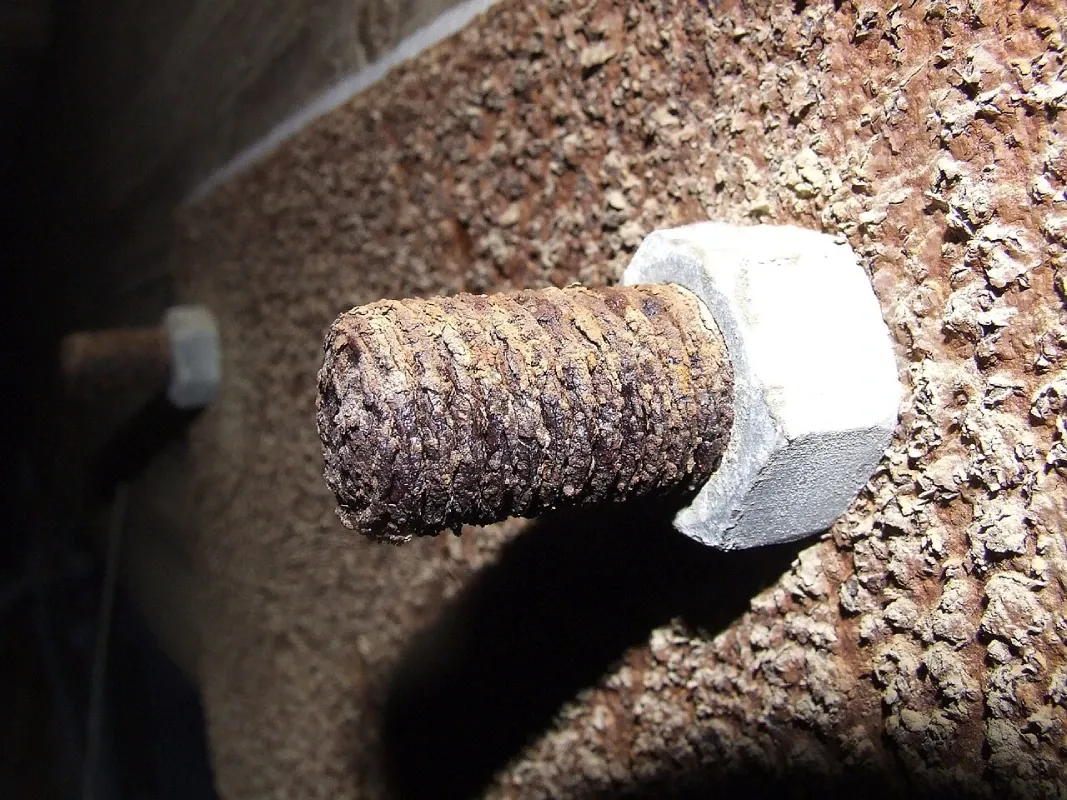
Industrial fasteners face constant exposure to moisture, chemicals, salt, and airborne contaminants. Over time, corrosion damages exposed threads and compromises maintenance access. Installing bolt and nut protection caps helps shield vulnerable connections against these harsh conditions.
Even minor rust can make equipment servicing difficult and increase replacement costs. Preventing damage requires choosing suitable protection before deterioration begins. Step-Ko Products supplies reliable industrial fastener protection solutions that help facilities limit exposure and maintain valuable critical connections.
Why Corrosive Environments Threaten Industrial Fasteners
Industrial fasteners operate under different environmental conditions. However, repeated exposure to moisture and contaminants can accelerate corrosion, particularly around exposed threads and nut surfaces.
Several environmental factors contribute to this deterioration:
Salt exposure: Marine conditions increase corrosion risks on unprotected metal.
Chemical contact: Industrial contaminants can accelerate surface deterioration.
High humidity: Persistent moisture encourages oxidation around metal connections.
Temperature changes: Condensation can introduce moisture onto exposed hardware.
Step-Ko Products recognizes these challenges and provides protection solutions for industries where environmental exposure threatens fastening components.
How Bolt and Nut Protection Caps Create a Protective Barrier
Protective caps help limit contact between exposed fasteners and external contaminants. Their fitted design covers vulnerable surfaces, reducing direct exposure to moisture, dirt, and other corrosive elements.
Unlike coatings that require application directly onto metal, these components provide physical coverage around the fastening connection.
Important Features of Bolt and Nut Protection Caps
The right protective design can improve coverage and help preserve fastening components under challenging conditions.
Important features include:
Polyethylene construction: Provides a protective enclosure around exposed hardware.
Secure fitting: Helps maintain coverage around the nut and bolt.
Thread protection: Reduces contact between exposed threads and contaminants.
Practical installation: Supports protection during equipment assembly or maintenance.
Step-Ko Products offers snap-on designs, including Model 1, which fits beneath the nut, and threaded configurations for suitable exposed connections.
Where Bolt and Nut Covers Support Industrial Corrosion Control
Different industrial settings expose fasteners to different corrosion risks. Choosing suitable protection requires understanding the surrounding environment and connection design.
Bolt and nut covers can provide practical protection in several applications:
Offshore platforms: Help shield fastening hardware from saltwater exposure.
Refineries: Reduce direct contact with environmental contaminants.
Marine equipment: Protect vulnerable hardware against moisture and salt spray.
Structural installations: Support protection for weather-exposed fastening connections.
However, protective components should complement existing corrosion-control measures rather than replace necessary inspections or maintenance procedures.
Selecting Bolt and Nut Covers for Different Connections
Not every fastening assembly has the same dimensions or exposed thread length. Therefore, facilities should evaluate connection specifications before selecting protection.
Consider nut size, available threading, installation conditions, and material compatibility. Step-Ko Products offers Model 1 protection for applicable connections and a threaded Model G option where sufficient exposed threading is available.
Why Early Protection Makes a Difference
Corrosion can develop gradually, making initial damage difficult to recognize. Once deterioration affects threaded surfaces, routine maintenance becomes more complicated.
Using bolt and nut protection caps during installation or scheduled servicing helps address exposure before extensive rust develops.
Facilities should also inspect protected connections periodically. Damaged covers, trapped moisture, or visible corrosion require attention to maintain effective protection.
Keep Industrial Connections Protected with the Right Solution
Reliable corrosion control starts with protecting vulnerable components before deterioration affects their condition. Suitable bolt and nut covers help reduce environmental exposure and support long-term fastener care.
For industrial fastening protection that matches demanding operating conditions, explore the solutions available from Step-Ko Products and strengthen your corrosion prevention strategy.
FAQs
1. What makes industrial environments highly corrosive?
Salt, moisture, chemicals, and airborne contaminants accelerate metal deterioration, especially when equipment remains exposed for extended periods.
2. Can corrosion develop beneath protective components?
Yes. Trapped moisture or existing damage can still cause deterioration, making proper fitting and regular inspections important.
3. Why does exposed threading require protection?
Exposed threads collect moisture and contaminants, increasing rust formation and potentially making future maintenance or disassembly difficult.
4. How should facilities inspect protected fastening connections?
Technicians should examine component condition, check for moisture accumulation, and investigate visible deterioration during scheduled maintenance activities.
5. Does every industrial connection need identical protection?
No. Selection depends on environmental exposure, connection dimensions, material compatibility, and the equipment's specific operating requirements.