
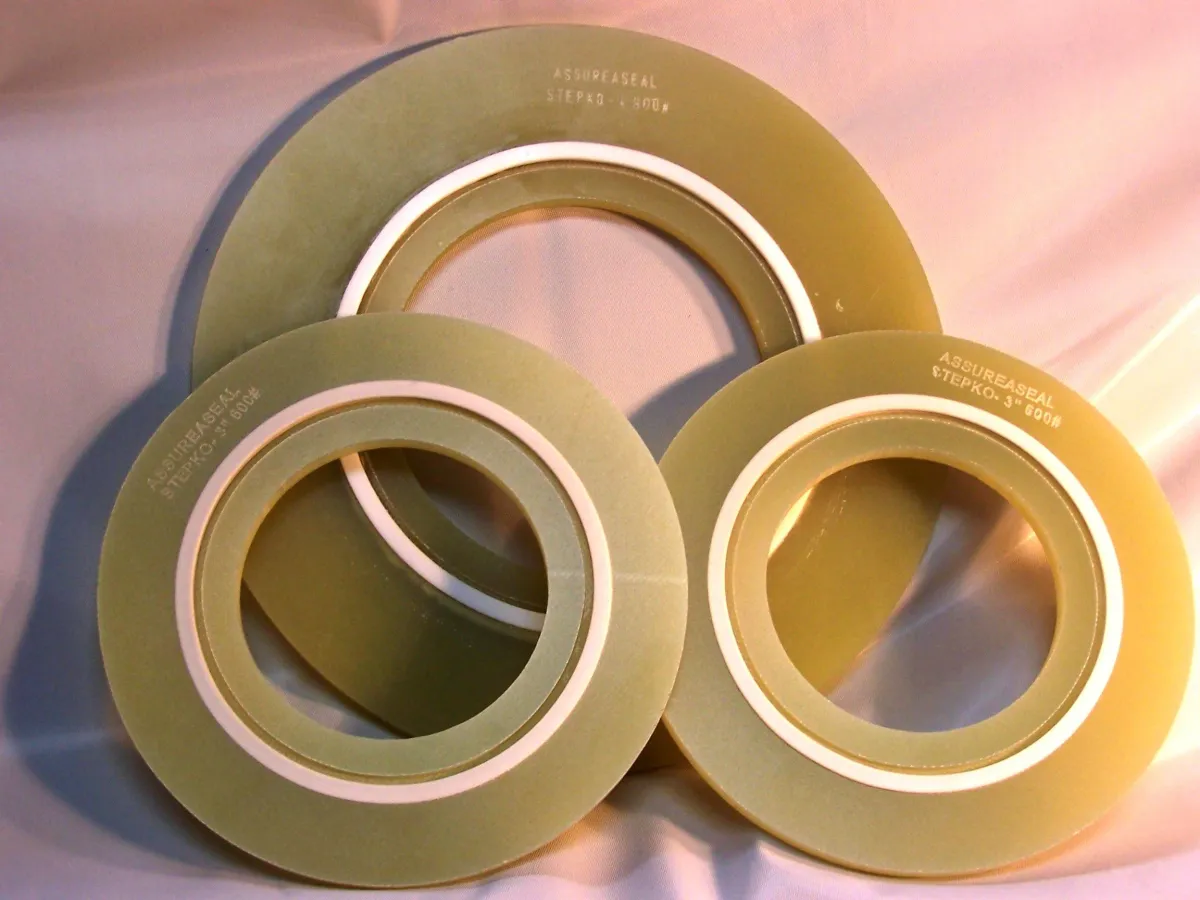
High Pressure Flange Insulation: Why a Higher Temperature Rating Won't Save You at Higher Pressure
A common mistake in flange specification is assuming that a gasket rated for high temperature is automatically suited for high pressure service. Temperature resistance and pressure resistance are governed by different material properties entirely, and a gasket can have excellent thermal performance while still being the wrong choice for a high-pressure connection. High pressure flange insulation requires its own evaluation, separate from thermal rating.
Why Temperature and Pressure Ratings Measure Different Things?
Temperature rating describes how a gasket material behaves as heat causes expansion, softening, or chemical change. Pressure rating describes how the same material resists extrusion, creep, and compressive deformation under mechanical load. A material can excel at one property while underperforming at the other.
This is exactly why high pressure flange insulation needs to be specified against the actual pressure class of the connection, not assumed to be adequate simply because the temperature rating looks sufficient on a spec sheet.
What Extrusion Actually Looks Like Under Pressure?
Under high pressure, gasket material can be forced to extrude slightly outward from the flange face over time, gradually reducing the sealing contact area even if temperature never becomes a factor in the failure at all.
Where This Mistake Shows Up Most Often?
High pressure, moderate-temperature applications are where this specification error appears most frequently. An engineer sees a temperature rating that comfortably exceeds the operating condition and assumes the gasket is over-specified and therefore safe, without separately confirming the pressure class rating actually matches the connection.
A high temperature gasket seal chosen primarily for its thermal performance may not have been engineered with the compressive strength needed for a high pressure class connection, even if the temperature margin looks generous on paper.
Why Isolation Adds Another Variable?
When the flange connection also requires electrical isolation, the isolation sleeve and washer materials introduce their own pressure limitations independent of the gasket itself. A high pressure rated gasket paired with an under-rated isolation sleeve still creates a weak point in the assembly.
Specifying Both Properties Independently
The safest approach treats temperature rating and pressure rating as two separate specifications that both need to be confirmed against the actual service conditions, rather than assuming one property guarantees the other. Step-Ko's technical team reviews both variables together when recommending a gasket and isolation configuration for high-pressure applications.
Get a Spec Reviewed Against Both Pressure and Temperature, Not Just One
Step-Ko's research and development team evaluates pressure rating and temperature rating as two independent variables, not a single combined spec, which is exactly the kind of oversight that leads to premature gasket failure in high pressure lines. With decades of experience serving oil and gas, pipeline, and industrial markets, our team can confirm your flange insulation is actually rated for your full operating envelope. Reach out and get your specification reviewed before installation, not after a failure.
FAQs
Q: Are temperature rating and pressure rating the same specification for a gasket?
A: No. Temperature rating reflects thermal performance while pressure rating reflects resistance to extrusion and compressive deformation, and a gasket can perform well in one area while underperforming in the other.
Q: What does gasket extrusion under pressure actually mean?
A: Extrusion occurs when gasket material is gradually forced outward from the flange face under sustained pressure, reducing the effective sealing contact area over time.
Q: Why do high pressure, moderate temperature applications see this specification mistake most often?
A: A generous temperature rating can create a false sense of security, leading engineers to assume the gasket is adequately specified without separately confirming the pressure class rating.
Q: Does adding electrical isolation to a high-pressure flange introduce new limitations?
A: Yes. Isolation sleeves and washers have their own pressure ratings, and pairing a high pressure gasket with an under-rated isolation component still creates a weak point in the connection.
Q: How should temperature and pressure ratings be evaluated together for a new specification?
A: Both should be confirmed independently against the actual service conditions of the connection, rather than assuming a strong rating in one category guarantees adequate performance in the other.