
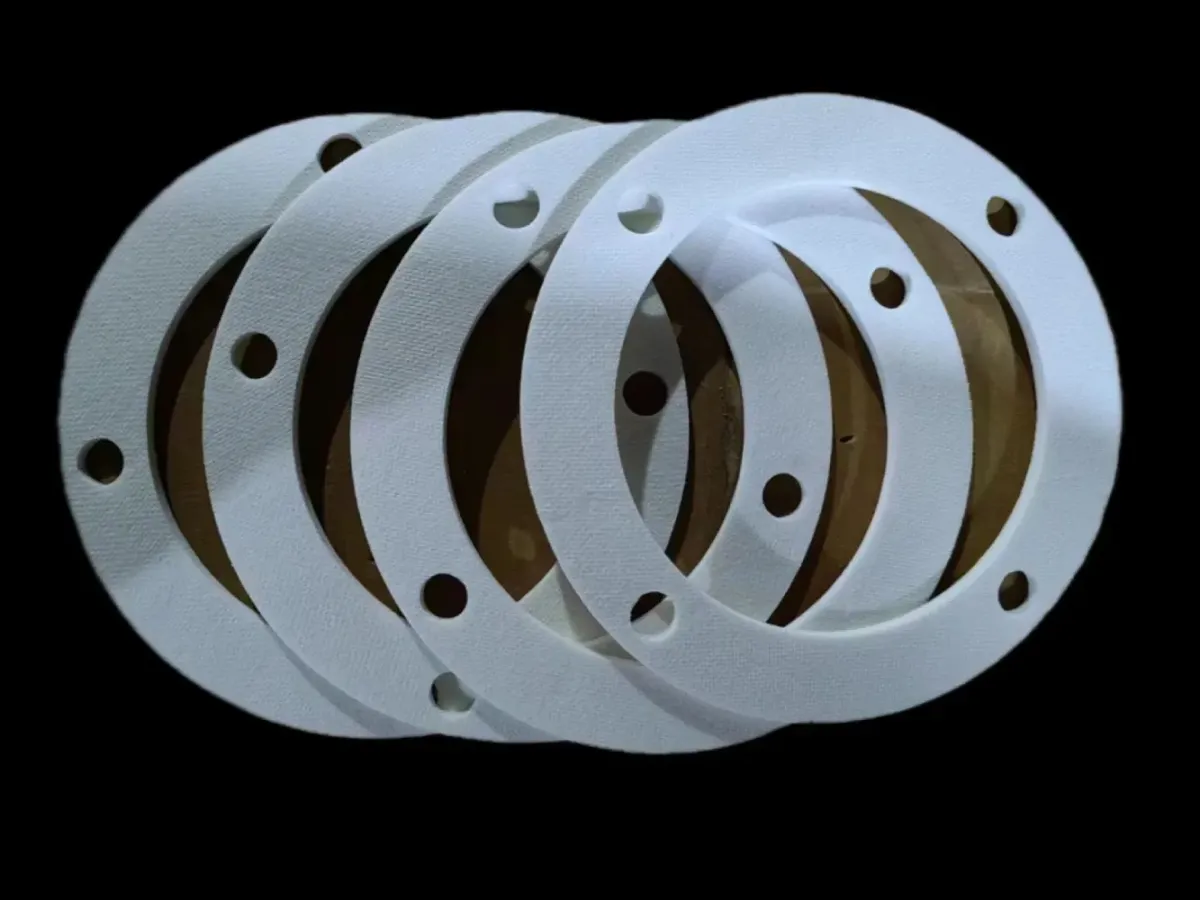
High Temperature Gasket: What Actually Gives Out First as the Heat Climbs
High heat rarely challenges a flange connection in just one way. Temperature rises while pressure remains present, and the sealing materials must continue holding their shape under load. That is why choosing a high temperature gasket involves looking beyond a temperature number on its own.
At Step-Ko Products, our Assureaseal gasket is designed for extreme pressure and heat applications where many conventional materials may deteriorate. Its construction addresses structural stability, sealing pressure and material movement together because those factors can determine how a connection behaves as conditions become more demanding.
Heat Starts Testing More Than Temperature Resistance Alone
One of the first concerns as temperatures climb is material stability. Step-Ko explains that heat can deteriorate sealing materials and that thermal stress can affect their ability to maintain sealing properties. Temperature changes can also produce expansion and contraction within the connection.
That means the question is not simply whether a material can encounter heat. The material must continue resisting deformation while remaining capable of supporting the required seal.
A gasket that loses its intended shape under operating load can no longer be judged by its original material properties alone. Heat and pressure have to be considered together.
Pressure And Heat Work Against The Seal Together
High-temperature flange service often combines elevated heat with substantial internal pressure. Step-Ko developed Assureaseal for extreme pressurized flanges as well as extreme heat applications. The product uses CBS3111 high-compression glass epoxy material and is designed for flange classes ranging from ANSI 150# through ANSI 2500#.
This matters because increasing temperature does not remove the mechanical forces already acting on a connection. The sealing material still has to remain structurally stable under compression.
For buyers comparing options before installation, the better question is therefore not simply "How hot can it get?" It is "What must the gasket continue doing while it is hot?"
A High Temperature Gasket Must Control Deformation
Step-Ko identifies minimal cold flow under load as an important characteristic of its high temperature gasket design. Cold flow refers to material movement or deformation while the gasket remains compressed. Limiting that movement helps the sealing assembly maintain its intended position and contact under demanding conditions.
Assure seal uses high-compression-strength glass epoxy along with a reinforced sealing design. Step-Ko states that its CBS3111 material can withstand temperatures exceeding 400°F while maintaining structural stability.
That documented combination gives purchasers a more useful way to evaluate the product than focusing on heat resistance as an isolated feature.
Seal Pressure Becomes Critical As Materials Keep Moving
The sealing element also has work to do as operating conditions change. Step-Ko uses a spring-energized design intended to help maintain pressure across the flange surface. Reinforced sealing elements support the connection when thermal and mechanical stresses are present.
A high temperature sealing gasket therefore needs more than material that simply remains present after heating. The sealing interface must continue functioning as the surrounding assembly experiences load and temperature changes.
Step-Ko's Assureaseal incorporates a glass-reinforced spring-energized Teflon® seal with an internal spring design. This construction is intended to support sealing performance in high-temperature and high-pressure flange environments.
High Temperature Sealing Gasket Selection Starts With Conditions
Pre-purchase decisions should begin with the actual service requirements rather than choosing by temperature rating alone. Step-Ko's own high-temperature material guidance emphasizes temperature, pressure and structural stability together.
Before specifying a sealing solution, consider the documented demands of the connection:
Expected operating temperature
Pressure requirements
Required flange class
Material stability under compression
Sealing behavior under thermal stress
A high temperature sealing gasket chosen around these conditions can be assessed against the work it actually needs to perform rather than a single specification taken out of context.
Choose The Right Gasket Before Heat Takes Over
At Step-Ko Products, we manufacture sealing solutions for demanding flange applications where heat and pressure must be considered together. Assureaseal™ combines high-compression glass epoxy material with a spring-energized sealing design for extreme service conditions.
If your application operates at elevated temperatures, contact our team with your flange class, pressure and operating requirements. We can help you review the Step-Ko gasket options designed for those conditions before the connection goes into service.
Frequently Asked Questions
1: What Usually Challenges A Gasket As Heat Rises?
Heat can place greater thermal stress on sealing materials while expansion, contraction, pressure and compression continue acting on the connection. Material stability and sealing performance therefore matter together.
2: How Much Heat Can a Gasket Material Withstand?
Step-Ko states that its CBS3111 material can withstand temperatures exceeding 400°F while maintaining structural stability in extreme-heat applications.
3: Does Pressure Matter When Selecting Heat Resistant Gaskets?
Yes. Step-Ko designs Assureaseal for both high-temperature and extreme-pressure flange applications with compatibility from ANSI 150# through ANSI 2500#.
4: Why Does Gasket Deformation Matter Under High Heat?
Material movement can affect how a gasket maintains its position under load. Step-Ko specifically engineers its high-temperature design for minimal cold flow under compression.
5: What Should Buyers Check Before Choosing Their Gasket?
Buyers should consider operating temperature, pressure, flange requirements and material behavior together. A high temperature sealing gasket should be selected based on the actual service conditions of the connection.