
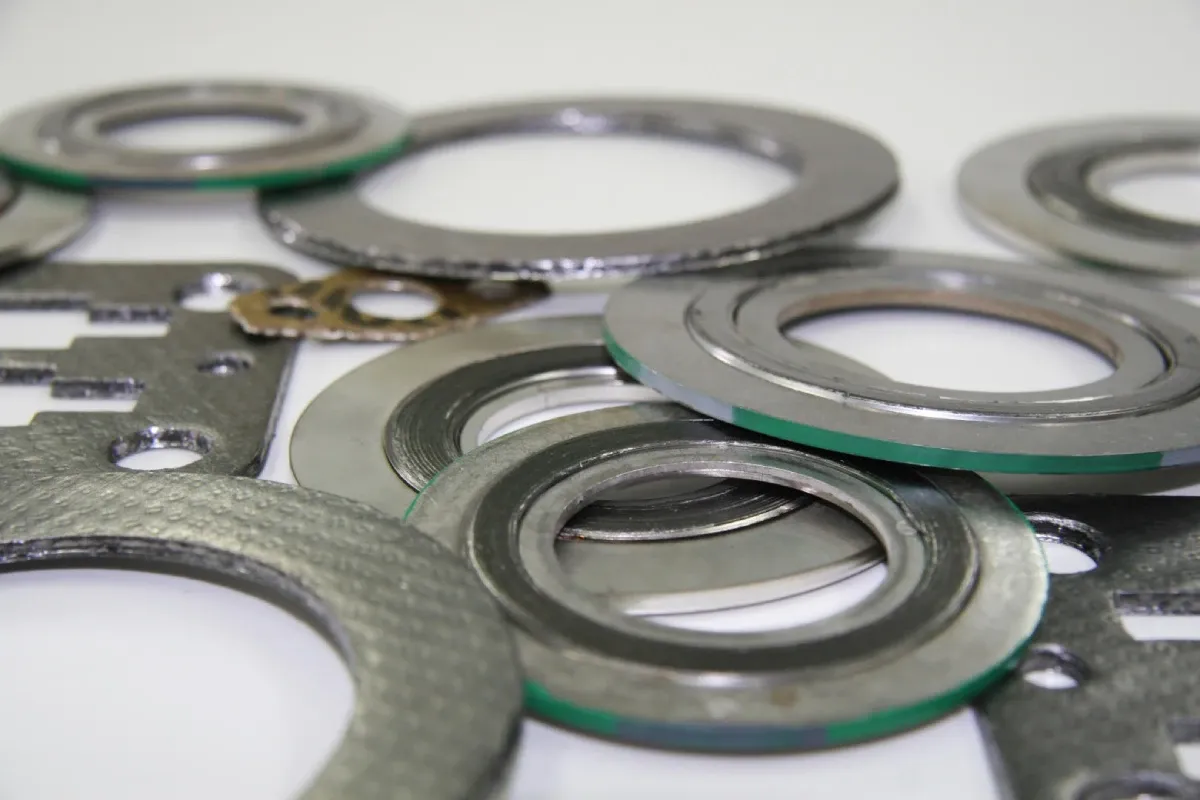
How Temperature Ratings Affect the Selection of High-Temperature Gasket Sealants
Industrial flange connections face demanding conditions when operating temperatures rise. Choosing a high-temperature gasket sealant requires understanding how heat affects material stability, sealing performance, and long-term reliability. Incorrect temperature specifications can contribute to leaks and equipment damage.
However, temperature resistance alone does not determine sealing suitability. Pressure, flange design, and material compatibility also influence performance. Step-Ko Products specializes in engineered gasket solutions that address demanding industrial sealing requirements. Understanding temperature ratings helps maintenance teams make informed specification decisions.
Why Temperature Ratings Matter in Industrial Sealing
Every sealing material has defined operating limits. Exceeding these limits can cause softening, cracking, or deterioration, depending on its composition.
A heat-resistant flange sealant must maintain its specified properties throughout the expected service conditions.
Before selecting sealing materials, check:
Continuous temperature: Maximum heat tolerated during normal operation.
Peak temperature: Short-term temperature exposure limits.
Thermal cycling: Resistance to repeated heating and cooling.
Material compatibility: Suitability for the fluids and chemicals involved.
These specifications help engineers avoid selecting products that cannot withstand actual operating conditions.
Understanding High-Temperature Gasket Sealant Ratings
Manufacturers typically provide temperature specifications that describe the conditions their sealing materials can tolerate.
A high-temperature gasket sealant must remain suitable for the intended service temperature. However, its rating cannot improve the temperature resistance of an unsuitable gasket underneath.
Step-Ko Products emphasizes selecting properly engineered gasket assemblies before considering supplemental sealing compounds.
Factors Affecting High-Temperature Gasket Sealant Performance
Temperature ratings should be evaluated alongside operating conditions because heat rarely acts independently.
Important considerations include:
Pressure exposure: Elevated pressure increases demands on the sealing connection.
Curing requirements: Some compounds require controlled curing before service.
Chemical resistance: Process fluids may affect material stability.
Surface condition: Contamination or damage can interfere with sealing.
Always verify manufacturer instructions before specifying supplemental compounds for industrial connections.
How Temperature Changes Affect Flange Connections
Industrial pipelines frequently experience temperature fluctuations during startup, operation, and shutdown.
These changes cause connected components to expand and contract. Consequently, sealing materials must accommodate movement without losing their intended performance.
A properly specified heat-resistant flange sealant should tolerate the application's thermal conditions without exceeding its published limitations.
Comparing High-Heat Gasket Sealant with Engineered Gaskets
Liquid sealing compounds and manufactured gaskets perform different functions. Supplemental compounds may address minor surface irregularities when their use is approved.
In contrast, engineered gaskets provide defined sealing structures designed for specific flange conditions.
Step-Ko Products manufactures its Assureaseal Cathodic Isolation Gasket using proprietary CBS 3111 glass epoxy material. The company identifies structural stability at temperatures exceeding 400°F for this material.
When High-Heat Gasket Sealant May Not Be Suitable
A high-heat gasket sealant cannot compensate for incorrect gasket dimensions, insufficient pressure capability, or unsuitable materials.
Instead, engineers should prioritize the complete sealing assembly's specifications.
Step-Ko Products also provides technical information covering gasket materials, sealing elements, and temperature limitations. These resources help buyers evaluate suitable configurations before installation.
Match Temperature Specifications with Operating Conditions
Selecting sealing materials requires comparing manufacturer ratings with actual operating conditions.
A heat-resistant flange sealant should only be considered when its temperature range, chemical compatibility, and application instructions meet project requirements.
Make Temperature Compatibility Your First Priority
Reliable flange sealing starts with understanding material limitations and system requirements. Selecting a suitable high-heat gasket sealant means considering continuous temperatures, pressure, and approved installation procedures.
For engineered industrial gasket solutions, connect with Step-Ko Products. Review its technical specifications and explore sealing assemblies designed for demanding operating conditions.
FAQs
1. What does a continuous temperature rating indicate?
It identifies the maximum temperature a material can withstand during sustained operation under specified manufacturer conditions and limitations.
2. Can brief temperature spikes damage sealing materials?
Yes. Temperatures exceeding approved limits may cause deterioration, even when exposure occurs for relatively short operating periods.
3. Why does curing temperature matter?
Proper curing conditions allow applicable compounds to develop their intended physical properties before exposure to demanding service conditions.
4. Can sealing compounds correct incorrect gasket specifications?
No. Supplemental compounds cannot increase an unsuitable gasket's inherent temperature resistance, compression strength, or pressure capability.
5. Should pressure ratings be checked alongside temperature limits?
Yes. Pressure and temperature interact during operation, making both specifications essential when evaluating sealing material suitability.