
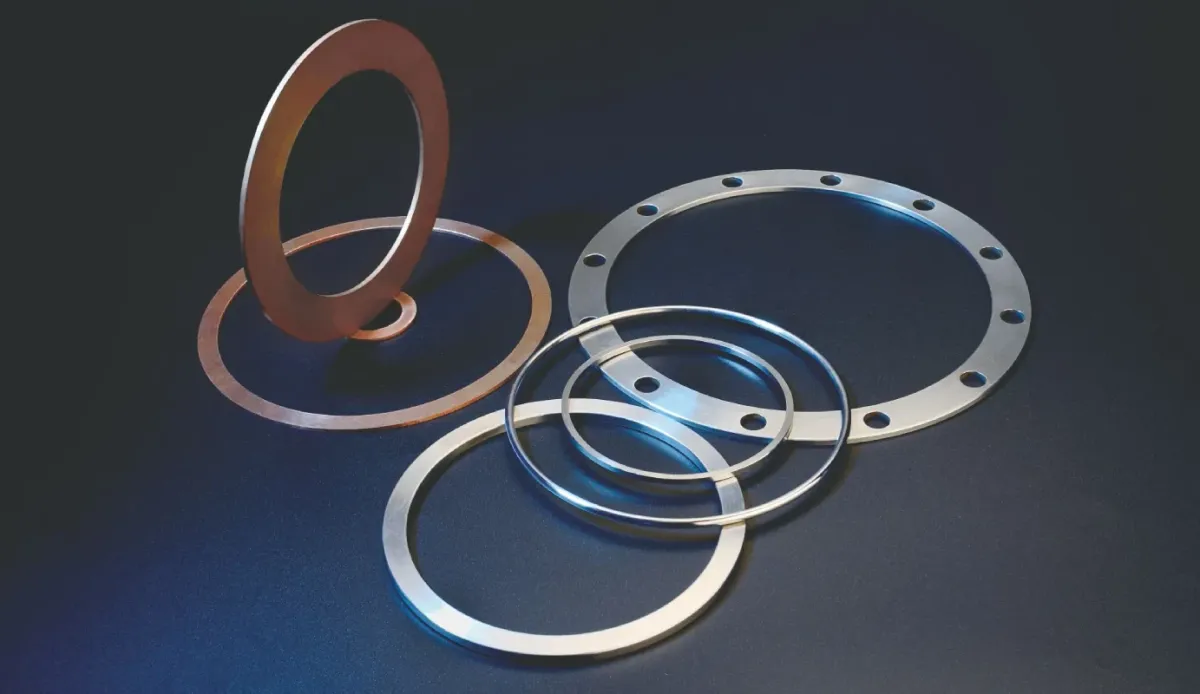
How to Choose a High-Temperature Sealing Gasket for Industrial Flanges
Industrial flange joints face sealing challenges when heat, pressure, and process fluids interact. Choosing a high-temperature sealing gasket requires more than checking a temperature rating. The right material must suit the operating conditions while maintaining a seal through thermal changes.
Poor selection can lead to leaks, shutdowns, and difficult repairs. Step-Ko Products supplies engineered gasket solutions for demanding industrial connections. Understanding flange dimensions, service conditions, and isolation requirements helps buyers compare suitable options before installation.
Understand the Operating Conditions Before Selecting a Gasket
Every industrial flange operates under specific temperature and pressure conditions. Therefore, choosing suitable sealing materials starts with understanding the system's requirements.
An industrial high-temperature seal gasket must withstand operating temperatures without losing its structural integrity or sealing effectiveness.
Before making a selection, examine:
Operating temperature: Identify normal and maximum heat exposure.
System pressure: Confirm compatibility with the flange's pressure class.
Process media: Consider chemical exposure and fluid compatibility.
Thermal cycling: Evaluate repeated heating and cooling conditions.
Step-Ko Products develops sealing solutions for demanding applications where these factors influence gasket performance.
Evaluate High-Temperature Sealing Gasket Materials
Material composition determines how effectively a gasket handles heat, compression, and demanding operating conditions. Standard materials may lose strength when temperatures exceed their recommended limits.
Important Properties of a High-Temperature Sealing Gasket
When comparing materials, consider compression strength, thermal resistance, chemical compatibility, and dimensional stability.
Step-Ko Products manufactures its Assureaseal Cathodic Isolation Gasket using proprietary CBS 3111 glass epoxy. The company specifies that this material maintains structural stability at temperatures exceeding 400°F.
However, buyers must verify the complete assembly's temperature rating, including its sealing elements, before choosing a product.
Match the Gasket to Flange Dimensions and Pressure
Even heat-resistant materials cannot compensate for incorrect dimensions. Flange diameter, facing type, and pressure classification determine which gasket configuration suits the connection.
An industrial high-temperature seal gasket should match the flange design while meeting the system's mechanical requirements.
Step-Ko Products offers Assureaseal solutions for ANSI pressure classes ranging from 150 to 2500. However, compatibility depends on the specific assembly and operating conditions.
Always review manufacturer specifications before confirming the selection.
Why High-Heat Sealing Gasket Construction Matters
Gasket performance depends on more than its outer material. Internal sealing components must maintain suitable contact pressure while handling operating stresses.
A properly specified high-heat sealing gasket should combine suitable structural strength with an effective sealing mechanism.
Key Construction Features of a High-Heat Sealing Gasket
The Assureaseal design incorporates a glass-reinforced, spring-energized Teflon seal with a 316 stainless steel internal coil spring.
This construction offers several practical advantages:
Supports consistent sealing pressure.
Helps minimize cold flow.
Provides structural support under compression.
Supports electrical isolation where required.
These features make construction an important consideration when evaluating critical industrial connections.
Check Electrical Isolation Requirements Before Installation
Some industrial pipelines require electrical isolation to help control corrosion caused by unwanted current transfer.
A suitable gasket must meet both sealing and isolation requirements without compromising system compatibility.
Facilities should confirm dielectric properties, flange configuration, and installation specifications before selecting an assembly.
Choose the Right Seal with Step-Ko Products
Selecting a reliable high-heat sealing gasket starts with understanding operating conditions, material limits, and flange requirements. Each factor affects long-term sealing performance.
Explore the engineered gasket solutions from Step-Ko Products to find a suitable option for your industrial application. Review the available specifications and choose sealing components that match your system's demands.
FAQs
1. Why does temperature rating matter when choosing a gasket?
Temperature ratings indicate whether sealing materials can withstand operating heat without excessive deterioration or loss of structural stability.
2. Can one gasket material suit every industrial application?
No. Material selection depends on operating temperature, pressure, chemical exposure, flange design, and specific sealing requirements.
3. What happens when flange dimensions do not match?
Incorrect dimensions can create uneven compression, poor sealing contact, and increased leakage risks during equipment operation.
4. Why should buyers consider thermal cycling?
Repeated heating and cooling cause expansion and contraction, potentially affecting sealing pressure and long-term connection reliability.
5. Should gasket specifications be checked before installation?
Yes. Reviewing manufacturer specifications helps confirm material compatibility, pressure suitability, temperature limits, and correct installation requirements.