
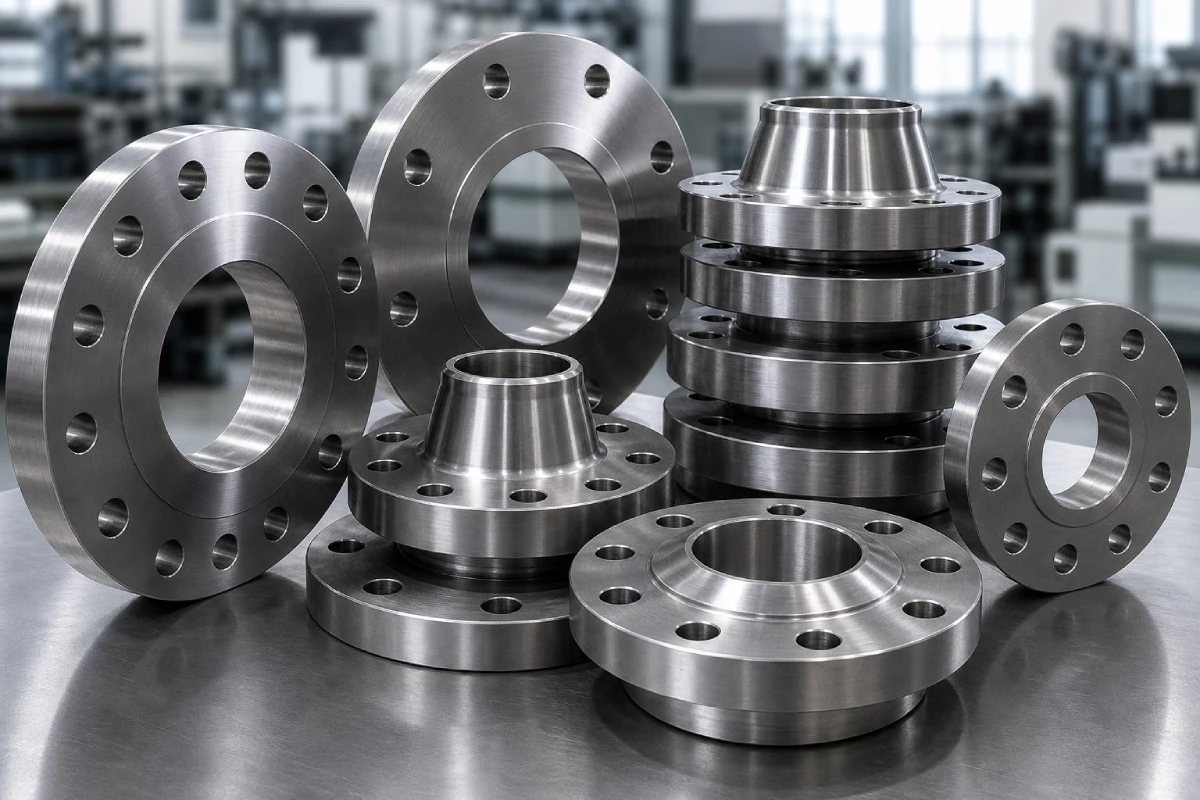
How To Choose The Right Flange Cover For Industrial Piping Connections
The phrase flange cover can describe products with different jobs. A temporary protector shields an exposed face before assembly, while an installed band surrounds the perimeter of an operating connection. Confusing those duties can lead to an order that fits the diameter but leaves the intended surface unprotected. Begin with the connection's condition and the area requiring protection. Then review geometry, exposure, liner materials, and access. The selection should state what the product protects, how it attaches, and how maintenance teams will examine the connection without mistaking an environmental barrier for a pressure retaining component.
Define the Service Before Comparing Industrial Flange Covers
Separate industrial flange covers intended for exposed faces from bands intended for assembled connections. Duty determines mounting. Identify if the connection is awaiting assembly or already forms part of an operating system. That distinction determines which surfaces are accessible, where the product can attach, and what the maintenance team should expect it to protect.
Specify flange bolt protection covers around the exposed fastener geometry. Perimeter protection may leave stud ends exposed. Check the complete hardware arrangement instead of assuming that a band surrounding the flange also encloses every nut. Separate measurements make the protection scope clear and help avoid gaps between the perimeter barrier and individual fastener coverage.
The Protected Surface Determines the Product Category
A flange cover specification should identify the face, annular gap, or assembled perimeter being protected. Mark the boundary on drawings. A marked drawing gives purchasing and installation teams the same reference. It also makes omissions easier to identify, particularly where one connection needs several protective elements that attach differently and must leave each other sufficient operating clearance.
Compare industrial flange covers by function before comparing materials. Generic descriptions can conceal different mounting locations. The comparison below separates common targets so the request starts with the surface requiring protection. Once the correct category is established, dimensions and material compatibility can be reviewed without confusing temporary storage coverage with protection around an assembled joint.
Protection target | Product category | Selection detail |
Open flange face | Temporary protector | Face clearance |
Assembled perimeter | Protective band | Liner contact |
Exposed nut | Hardware enclosure | Nut geometry |
Open pipe end | End cap | Outside diameter |
Flange Bolt Protection Covers Need Their Own Clearance Check
For flange bolt protection covers, measure nut height and exposed stud length. Adjacent piping can also restrict installation and later removal. Measure the available space in the completed installation, not only on an isolated sample. An enclosure may fit the fastener correctly yet remain difficult to install or remove once nearby equipment, insulation, or supports are in place.
Check a flange cover against insulation jackets and nearby brackets. Surrounding work can restrict inspection access. Consider the access required for the planned maintenance task as well as initial fitting. A useful design allows the relevant surface to be examined under site procedures without creating unnecessary interference with surrounding systems or the connection's protective components.
Liner Selection Should Follow the Actual Exposure
Select industrial flange covers with liner limits suited to local heat and chemicals. Band material does not determine liner compatibility. Check the material that contacts the connection and the conditions at that interface. An outer band suitable for the environment does not establish that its liner or any associated filler can tolerate the same chemical or thermal exposure.
Flange Cover Fit Extends Beyond Nominal Diameter
Review flange bolt protection covers separately when bolts have unusually long projections. A protective band and individual hardware caps may require coordinated clearances. Use the assembled arrangement to identify possible interference before placing the order. Resolving those details early is more practical than discovering that one accepted protective component prevents another from seating or being removed for inspection.
Step-Ko Products offers a flange cover range using metallic or nonmetallic bands and rubber liners. Confirm the exact configuration. The choice should identify the band and liner together, along with their intended application. That record helps future maintenance teams replace the accepted combination rather than treating a similar looking outer material as proof of equivalent performance.
Inspection Access Should Survive the Finished Installation
Specify industrial flange covers with a documented removal and reinstallation method. Inspection access should remain practical after the connection enters service. Specify who will perform the examination and how the protection will be restored afterward. Practical access matters because a system that is difficult to open and refit can leave important surfaces outside the normal inspection routine.
For flange bolt protection covers, assign a rejection criterion for split, loose, or distorted pieces. Damaged protection leaves exposure paths. Retain the approved product identity when replacing damaged parts. Substituting a nearby spare by appearance can introduce differences in depth, seating, or attachment, leaving the same connection insufficiently protected even though a replacement appears to be in position.
·Mark the exact surfaces requiring protection on the connection drawing before procurement.
·Verify removal clearance after accounting for insulation, brackets, and adjacent pipework.
·Record liner identity so later replacement parts preserve the accepted material specification.
Release the Selection Only After a Complete Fit Review
Trial the proposed flange cover arrangement against representative hardware. Confirm attachment, liner contact, and the inspection route before extending the order. Include the liner and any associated protective materials in the fit review. The acceptance record should describe the arrangement tested, so later installations reproduce its component selection and access provisions rather than only its nominal dimensions.
Check industrial flange covers as separate protection schedule entries so the scope remains explicit. For each location, identify the protected surface, accepted product, and inspection responsibility. A complete schedule makes it easier to spot uncovered areas and prevents the presence of one protective element from being mistaken for coverage of the entire connection.
Specify the Connection Boundary With the Correct Product Family
Clearly documented protection boundaries help prevent incomplete surface coverage. Step-Ko Products lists protective bands, molded face protectors, and nut protection products as distinct offerings. That range helps planners identify the product category associated with each exposed area. Include flange bolt protection covers in that drawing review before settling attachment details.
For assembled connections, Step-Ko Products also describes flange fillers used with protective cover systems. Evaluate that combination under its own documented compatibility limits, while retaining a separate specification for the pressure seal. A useful protection schedule names the surface, the product, and the inspection responsibility without leaving gaps between them.
Frequently Asked Questions
1. Are storage protectors suitable for assembled operating joints?
Not necessarily. Storage products cover exposed faces, while installed bands protect different areas. Match the product to its intended service location.
2. Does the band material determine every temperature limit?
No. Liners and any filler have their own operating limits. Confirm compatibility for the complete installed protection system before approval.
3. Should surrounding insulation be included in clearance checks?
Yes. Insulation jackets and nearby supports can obstruct removal. Review the finished installation instead of assessing only a bare connection.
4. Can external corrosion protection replace the internal gasket?
No. Environmental protection and pressure sealing serve different purposes. The gasket requires its own approved specification and installation procedure.
5. Is nominal flange diameter enough for ordering protection?
No. Face style, connection dimensions, attachment details, and exposed hardware also matter. Confirm the actual product's required dimensions before ordering.