
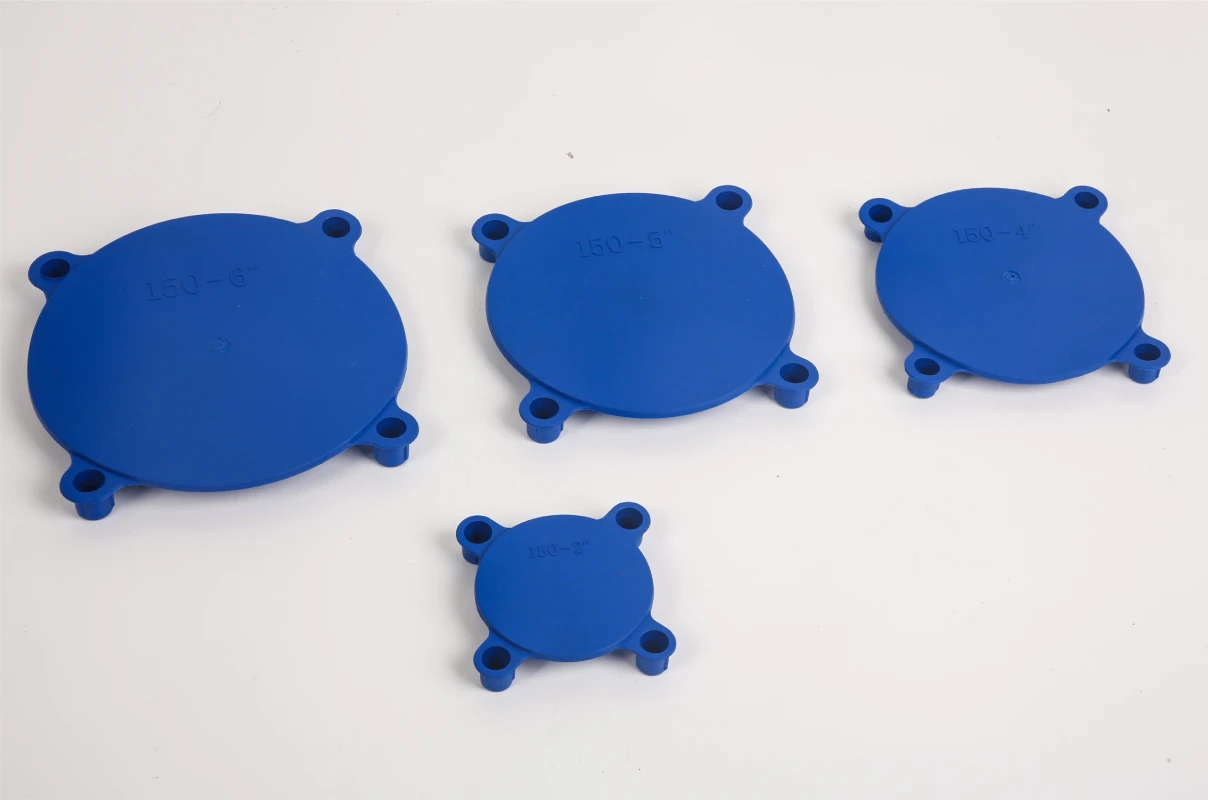
How To Select Plastic Flange Protectors For Different Flange Face Designs
A flange can arrive with its sealing surface intact and suffer damage before installation. Forklift handling, loose debris, and exposed storage all create opportunities for scratches or contamination. Plastic flange protectors provide temporary face coverage during that interval, but their shape and retention method must suit the flange. A nominal diameter is only the starting point. Raised faces, flat faces, and ring joint grooves present different contact details. The selection should preserve the surface that will eventually support sealing, while allowing the receiving crew to remove the protector and inspect the flange before assembly.
Face Geometry Sets the Protection Boundary
Specify polyethylene flange protectors against flange drawings, including outside diameter and bolt hole arrangement. Plugs must align without force. Check the drawing against the component received, particularly when the storage area contains several standards or pressure classes. A protector that matches one outside dimension may still have retention features positioned incorrectly for another flange with a similar appearance.
For plastic flange covers for pipeline storage, record the face type before ordering. Perimeter fit does not establish face clearance. Identify the surface that must remain untouched and any raised or recessed features requiring coverage. This makes the order more precise and helps the receiving team check the delivered part without relying on a broad size description alone.
Raised Surfaces Need Clearance Under Plastic Flange Protectors
Inspect how plastic flange protectors sit over the raised face. Avoid trapping abrasive particles against the face. Examine the contact areas before fitting the cover, especially after outdoor handling or movement through a fabrication shop. Protection should not press loose grit into the sealing surface or conceal contamination that needs removal under the approved cleaning procedure.
Cleanliness remains relevant with polyethylene flange protectors. Trapped debris can score surfaces during transport. A clean cover can also become contaminated while lying on a workshop floor or inside an open storage bin. Keep removed pieces in a suitable location and examine their contact surfaces before placing them back on the flange.
Groove Protection Requires a Different Contact Review
For ring joint flanges, select plastic flange covers for pipeline storage using the actual groove geometry. Confirm coverage of the recess. Look for a design intended for that facing rather than assuming a general cover provides equivalent protection. The groove needs to remain accessible for later inspection, with any visible damage recorded before the flange is accepted for assembly.
Retention Details Define Polyethylene Flange Protectors Fit
Check plastic flange protectors for secure attachment and removal access. Retention does not replace approved lifting arrangements. Review how the spool will be moved after protection is fitted. The enclosure should stay clear of the approved lifting arrangement, and the handling plan should make its limited role clear to warehouse personnel and transport crews alike.
Step-Ko Products lists polyethylene flange protectors with four integrated plugs. Ring joint options require separate identification. Include the selected style in the material request so the delivered item can be checked against the intended facing. Matching the product family is only the first step; the actual dimensions and attachment positions still need confirmation.
Storage Exposure Shapes Plastic Flange Covers For Pipeline Storage Requirements
Specify plastic flange covers for pipeline storage alongside storage duration and weather exposure. Face protection does not establish hermetic sealing. Consider how the component will be supported and examined during that period. Outdoor storage, repeated handling, and delayed installation create different inspection needs, so temporary coverage should remain part of a storage plan rather than replacing it entirely.
Inspect plastic flange protectors after movement between storage areas. Dislodged protection exposes the face. Check after loading, unloading, and repositioning, when contact with surrounding equipment may have disturbed the attachment. If a cover has moved, examine the exposed surface before refitting it so damage is not hidden beneath otherwise intact protection.
Handling Instructions Should Travel With the Protected Flange
Use polyethylene flange protectors with a receiving record that identifies missing or damaged covers. Retain evidence before transfer. Record the condition on arrival and note any change before dispatch to the installation area. This provides a clearer handover between crews and helps identify where an exposed face may have been damaged during the handling sequence.
For plastic flange covers for pipeline storage, assign inspection points during storage and dispatch. Include these handling controls. Name the person or team responsible at each handover, so the task does not disappear between warehouse and site responsibilities. The controls below keep lifting, condition checks, and component identification connected throughout the period before the joint is assembled.
·Confirm that lifting equipment bears on approved locations rather than the protective cover.
·Replace displaced protection after checking the face for contamination or visible damage.
·Keep flange identification readable so the correct component reaches the installation crew.
Temporary Protection Ends Before the Pressure Joint Begins
Remove plastic flange protectors before gasket installation and inspect the sealing surface. Shipping protectors are not blanks for pressure testing or operation. The uncovered metal is the surface that must meet the assembly requirements. Check it under the applicable inspection procedure, and refer scratches, corrosion, or other concerns for assessment before accepting the connection for gasket placement and tightening.
Do not assume polyethylene flange protectors and installed flange bands perform the same task. Their intended functions differ. One protects an exposed face before assembly; the other addresses a different area of a completed connection. Keep those roles distinct on purchasing schedules so a request for temporary storage protection does not produce an unsuitable installed service product.
Verify a Representative Face Before Releasing the Order
Trial plastic flange covers for pipeline storage against the actual flange designation. Check plug engagement, raised face clearance, and groove coverage without forcing the assembly. Include any nearby feature that could obstruct fitting or removal. The trial should establish an accepted arrangement for the exact facing, not simply demonstrate that a cover can be pressed onto one convenient sample.
Record the approved protector style with the receiving criteria. Crews can then identify misplaced covers promptly. Include photographs or drawing references that show the intended facing and attachment points. A clear acceptance record helps warehouse staff distinguish a displaced piece from an incorrect style and prevents repeated use of unsuitable protection during transfers between storage locations.
Carry Face Protection Through Receiving and Dispatch
An undamaged sealing face preserves future maintenance options. Step-Ko Products supplies molded face protectors with integrated retention plugs, giving storage teams a defined product category for exposed flange faces. Evaluate those dimensions against the component drawing and handling route. Protection should remain identifiable from receipt through the final preassembly inspection.
As storage gives way to installation, Step-Ko Products also distinguishes pipe end caps from flange protection products. That distinction supports a clearer material request for each exposed surface along a spool. Keep the final inspection tied to the uncovered metal, because temporary protection is successful only when the sealing surface remains serviceable.
Frequently Asked Questions
1. Can a shipping protector serve as a pressure blank?
No. Temporary face covers are not pressure retaining closures. Use a properly specified engineered closure for testing or operating pressure.
2. Do raised faces and ring grooves need identical covers?
Not necessarily. Their surface geometry differs. Confirm that the selected cover provides appropriate clearance and protection for the particular flange facing.
3. Should flange faces be inspected after transport?
Yes. Movement can displace protection or trap debris. Inspect the uncovered sealing surface before assembly and record damage for evaluation.
4. Can lifting slings bear directly on protective covers?
No. Use approved lifting points and handling methods. A storage cover should not be treated as a load carrying component.
5. Does a fitted cover eliminate moisture during storage?
Not necessarily. Moisture control depends on design and storage conditions. Confirm the protection scope and maintain the specified inspection routine.