Monolithic Isolation Joint or Flange Isolation Kit? The Pipeline Design Choice That Actually Matters
Electrical isolation on a pipeline can be achieved through more than one type of component, and the choice between them affects installation complexity, long-term maintenance, and reliability in ways that are not always obvious from a spec sheet comparison alone. A monolithic isolation joint pipeline solution and a flange isolation kit both interrupt electrical continuity, but they do it through fundamentally different construction approaches.
How a Flange Isolation Kit Achieves Isolation?
A flange isolation kit provides isolation at an existing bolted flange connection using a gasket, sleeves, and washers to eliminate metal-to-metal contact. This approach works within a standard flange design and can be installed or replaced during routine maintenance without cutting into the pipeline itself.
The tradeoff is that a flange isolation kit relies on multiple individual components working together correctly, which introduces more potential points of failure compared to a single integrated assembly.
Why Flange Kits Are Often the Retrofit Choice?
Because a flange isolation kit installs at an existing bolted connection, it is frequently the practical choice for retrofitting isolation into a pipeline that was not originally designed with electrical isolation in mind.
How Monolithic Isolation Joints Solve the Same Problem?
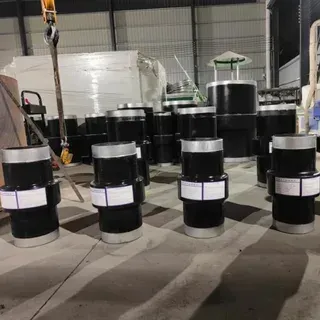
Monolithic isolation joints achieve isolation through a single welded, factory-assembled unit rather than a bolted connection with separate components. This eliminates the multiple-component failure risk associated with flange isolation kits, since there is no gasket, sleeve, and washer combination that needs to remain correctly seated over time.
The tradeoff runs in the opposite direction. A monolithic isolation joint pipeline installation requires welding into the line rather than simply bolting a kit into an existing flange, which typically means more installation complexity and less flexibility for future maintenance access.
Why New Construction Often Favors Monolithic Joints
Projects being designed from the ground up can specify monolithic isolation joints directly into the pipeline design, avoiding the need for a bolted isolation point entirely and reducing long-term maintenance inspection requirements.
Choosing Between the Two for a Specific Project
The decision often comes down to whether the project involves new construction or retrofitting an existing line, how much future maintenance access is needed at the isolation point, and how the reliability tradeoffs align with the specific application's risk tolerance.
Step-Ko manufactures both flange isolation gasket kits and monolithic isolating joints, which allows our technical team to recommend based on the actual project constraints rather than defaulting to whichever product happens to be the easier sale.
Get an Honest Comparison Based on Your Actual Project
Step-Ko manufactures both flange isolation kits and monolithic isolation joints in-house, which means our recommendation is based on what actually fits your retrofit or new construction project, not which product we would rather sell you. With 500-plus clients served across oil and gas, wastewater, and pipeline markets, our team has seen both approaches succeed and fail under the wrong conditions. Contact us for a straightforward comparison based on your specific line.
FAQs
Q: What is the main construction difference between a flange isolation kit and a monolithic isolation joint?
A: A flange isolation kit uses a bolted connection with a gasket, sleeves, and washers, while a monolithic isolation joint is a single welded, factory-assembled unit with no separate bolted components.
Q: Which option is generally better for retrofitting isolation into an existing pipeline?
A: Flange isolation kits are typically the more practical retrofit option since they install at an existing bolted flange connection without requiring the line to be cut and welded.
Q: Why might a monolithic isolation joint be more reliable long term?
A: Because it eliminates the multiple individual components that a flange isolation kit depends on, reducing the potential points where isolation could fail over time.
Q: Is a monolithic isolation joint more difficult to install than a flange isolation kit?
A: Generally yes, since it requires welding into the pipeline rather than bolting a kit into an existing flange connection, which increases installation complexity.
Q: Does new pipeline construction typically favor one option over the other?
A: New construction projects often favor monolithic isolation joints since they can be designed directly into the pipeline from the start, reducing long-term maintenance inspection requirements at that point.