Stainless Steel Flange Protection: Why 304 Quietly Fails Where 316 Doesn't
Two stainless steel grades can look identical on a spec sheet and behave completely differently once they are exposed to chlorides, salt spray, or aggressive process chemicals over time. The difference between 304 and 316 comes down to a single alloying element, but that element determines whether stainless steel flange protection actually holds up in the environment it was purchased for.
The Molybdenum Difference That Actually Matters
316 stainless steel contains molybdenum, an alloying addition that 304 does not have, and that single element is responsible for significantly improved resistance to pitting and crevice corrosion in chloride-rich environments. This is the core reason 316 is specified for offshore, coastal, and chemical processing applications where 304 would degrade faster.
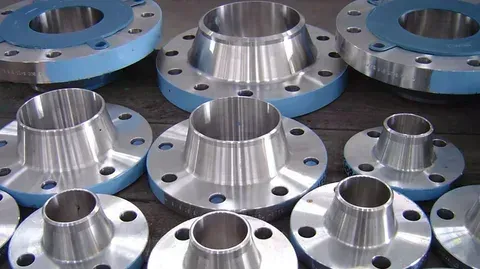
Stainless steel flange protection manufactured from 316 maintains its protective integrity in these aggressive environments long after a 304 equivalent would begin showing pitting corrosion at the surface.
Why Pitting Corrosion Is Especially Dangerous?
Pitting corrosion is deceptive because it can penetrate deeply into the material while the surrounding surface still looks largely intact, making visual inspection alone an unreliable way to catch early failure in a lower grade material.
Where 304 Is Still an Acceptable Choice?
304 stainless steel is not inferior in every application. In dry, inland, low-chloride environments, 304 performs adequately and at a lower material cost than 316. The mistake is specifying 304 by default without evaluating whether the actual service environment includes the chloride exposure that would justify the upgrade.
Stainless steel gasket seals and protective components should be specified based on the actual chemical and environmental exposure of the application, not simply on whichever grade happens to be more readily available at the time of purchase.
Coastal and Offshore Applications Almost Always Require 316
Any application with regular exposure to salt spray, seawater, or marine humidity should default to 316 rather than 304, since the cost difference between grades is typically far smaller than the cost of premature replacement after chloride-driven pitting failure.
Manufacturing Consistency Matters as Much as Grade Selection
Specifying the correct grade only matters if the manufacturing process actually delivers consistent, certified material. Step-Ko manufactures flange protector covers in both 316 stainless steel and non-metallic options, with certified, traceable materials used throughout production to ensure the grade specified is the grade actually received.
Specify the Grade That Actually Matches Your Environment
Step-Ko manufactures stainless steel flange protection and gasket seal components using certified, traceable 316 stainless steel specifically for the coastal, offshore, and chemically aggressive environments where 304 falls short. Every product is backed by ISO 9001-certified quality control, so the grade specified on the order is the grade that actually arrives. Contact our team to confirm the right material grade for your specific service environment.
FAQs
Q: What is the actual difference between 304 and 316 stainless steel?
A: 316 contains molybdenum, an alloying element that 304 lacks, which significantly improves resistance to pitting and crevice corrosion in chloride-rich environments like coastal or offshore settings.
Q: Is 304 stainless steel ever an acceptable choice for flange protection?
A: Yes. In dry, inland, low-chloride environments, 304 performs adequately and at a lower cost, though it should not be specified by default without evaluating the actual service conditions.
Q: Why is pitting corrosion considered more dangerous than surface corrosion?
A: Pitting can penetrate deeply into the material while the surrounding surface still appears intact, making it difficult to catch through visual inspection alone before significant damage has occurred.
Q: Should offshore applications always specify 316 over 304?
A: In almost all cases, yes, since regular exposure to salt spray or seawater makes 316's chloride resistance necessary, and the added material cost is generally far lower than the cost of early failure.
Q: How can a buyer confirm the stainless steel grade they ordered is what they actually received?
A: Working with a manufacturer that uses certified, traceable materials and documented quality control processes is the most reliable way to confirm the specified grade matches the delivered product.