
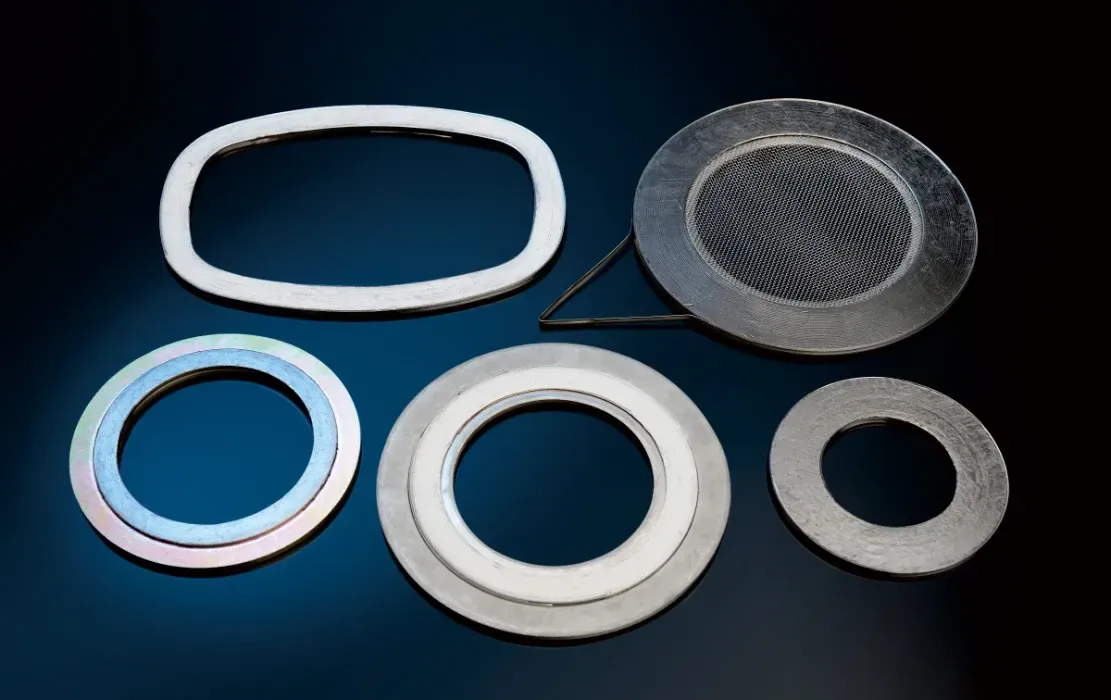
Stainless Steel Gasket Seals: What Assureaseal SSC Solves That a Standard Gasket Never Will
A gasket can seal a flange connection without necessarily being designed for every condition that connection may face. Pressure changes, vibration, electrical isolation and challenging service media can place several demands on the same joint. That difference matters when comparing a standard isolation gasket with Step-Ko’s Assureaseal SSC.
At Step-Ko Products, we designed stainless steel gasket seals in the Assureaseal SSC line for critical service where sealing and electrical isolation must work together under demanding conditions. Rather than treating the gasket as a simple barrier between flange faces, SSC combines several engineered elements into one assembly.
Standard Isolation Gaskets Handle A Different Service Role
Our standard Flange Isolation Gasket Kits provide both sealing and electrical isolation. They are designed to eliminate metal-to-metal contact between flanges, which helps halt static current and supports cathodic protection. They are available in Type D, Type E and Type F configurations along with different material options.
That makes these kits valuable for many flange-isolation applications. A pipe flange gasket seal such as Assureaseal SSC enters the picture when service requirements call for a different construction approach. The distinction is not that one gasket is universally better. It is that different operating conditions can require different gasket designs.
Stainless Steel Gasket Seals Add Structural Support Inside
Assureaseal SSC begins with a 316 stainless steel core. Step-Ko permanently fuses a glass epoxy laminate to that core, creating a construction designed to provide high compression strength while maintaining electrical isolation.
The laminate serves as a barrier to electrical current while the steel core gives the gasket its reinforced internal structure. This combination separates SSC from conventional isolation gasket materials that do not use the same fused stainless-steel-core construction.
For buyers comparing options, the important point is application fit. The gasket must provide isolation without giving up the sealing characteristics required by the service environment.
Spring Energized Sealing Responds Differently Under Changing Conditions
The sealing element is another major difference. Assureaseal SSC incorporates a spring-energized Teflon seal containing an internal 316 stainless steel coil spring rated to 10,000# class. Step-Ko identifies this construction for severe-service conditions involving factors such as flange vibration and pressure or temperature fluctuations.
That spring-supported sealing design allows the gasket to address changing conditions differently from a basic static gasket construction. For this reason, our stainless steel gasket seals should be considered according to the demands of the connection rather than selected simply because the service sounds difficult.
Pipe Flange Gasket Seal Selection Starts With Service
A pipe flange gasket seal should be chosen around what the flange connection actually needs to accomplish. Assureaseal SSC is listed for oil, natural gas and certain chemical service conditions, and Step-Ko provides specific temperature information for the product.
Before moving beyond a standard isolation gasket, teams should consider:
·Pressure conditions at the flange
·Temperature changes during service
·Flange vibration
·Required electrical isolation
·Media passing through the system
·Flange-face configuration
These factors help determine whether SSC’s construction addresses a real service requirement rather than adding features the application does not need.
Dissimilar Flange Faces Create Another Important Design Difference
Assureaseal SSC can also mate dissimilar flange-face configurations. Step-Ko lists compatibility involving raised face, flat face slip-on and ring-joint flange arrangements.
That capability matters when connection geometry makes gasket selection less straightforward. A conventional gasket should not simply be assumed suitable because its dimensions appear to fit. The relationship between flange faces sealing requirements and isolation needs should be considered together.
This is where a pipe flange gasket seal becomes more than a material placed between two surfaces. Its construction has to correspond with the complete connection.
Choose The Gasket Around Your Actual Connection Requirements
Step-Ko Products supplies standard isolation kits and Assureaseal SSC solutions for different flange-service demands. Understanding what changes inside the gasket helps buyers compare those options on application requirements instead of product labels alone.
Contact our team to discuss your flange conditions and determine which gasket construction fits your sealing and isolation requirements. We can help you compare the available options using the operating details that matter to the connection.
Frequently Asked Questions
1. What Makes Assureaseal SSC Different From Standard Gaskets?
Assureaseal SSC combines a 316 stainless steel core, glass epoxy laminate and a spring-energized Teflon sealing element while maintaining electrical isolation.
2. Does Assureaseal SSC Provide Electrical Flange Isolation?
Yes. Its glass epoxy laminate acts as an electrical-current barrier while the gasket construction also provides sealing for the flange connection.
3. Why Does Assureaseal SSC Use A Stainless Core?
The 316 stainless steel core gives the gasket high compression strength while the fused laminate maintains the required electrical isolation.
4. Can SSC Work With Different Flange Face Types?
Step-Ko states that Assureaseal SSC can mate dissimilar flange faces, including raised face, flat face slip-on and ring-joint configurations.
5. When Should A Pipe Flange Gasket Seal Be Considered?
Consider the flange pressure, temperature variation, vibration media, electrical-isolation requirement and flange-face configuration before choosing the appropriate gasket design.