
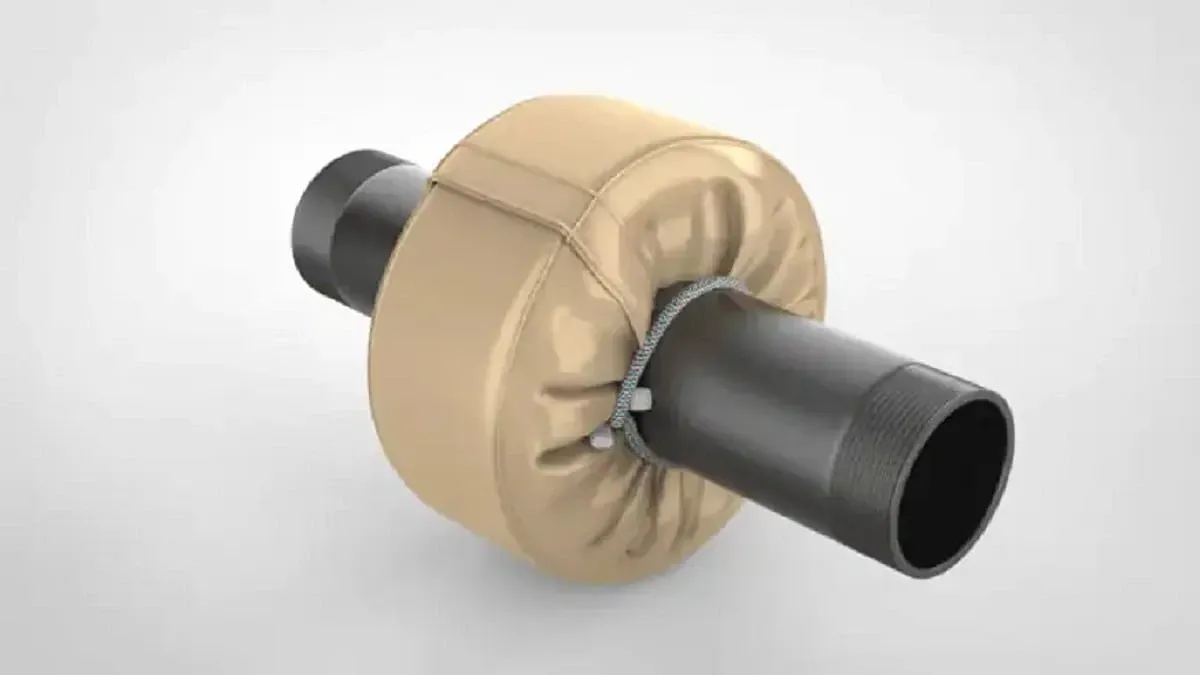
When Should Flange Protectors Be Used During Pipeline Storage and Transport?
Pipeline components can be damaged before they enter service. During shipping, staging, or warehouse storage, exposed flange faces may encounter dirt, moisture, impact, and abrasion. Plastic flange protectors help keep critical surfaces covered while components move between transport and installation sites.
Protection matters most when equipment may sit outdoors, travel long distances, or be handled repeatedly. Step-Ko Products provides flange protection solutions designed to help keep connection surfaces cleaner.
Use Plastic Flange Protectors Before Components Leave the Facility
The best time to protect a flange is before transportation begins. Loading, stacking, forklift movement, and vibration can expose machined flange faces to accidental contact. Even small scratches can create problems when a gasket later seals against that surface.
Plastic flange protectors provide a barrier during these handling stages. Installing them before loading reduces the chance that exposed faces will contact tools or pallets.
For shipments involving multiple pipe sections, plastic pipe flange protectors can also help crews keep exposed ends covered.
Plastic Flange Protectors Matter Most During Frequent Handling
The more often a component changes hands, the more opportunities exist for damage or contamination. Protective coverage becomes especially useful when components move through:
·Fabrication areas
·Freight yards
·Temporary staging locations
·Outdoor laydown yards
·Multiple jobsite handling points
Using plastic flange protectors through these transitions keeps sealing surfaces covered until crews intentionally remove the protection. Step-Ko Products emphasizes early protection because preserving the connection before installation can prevent avoidable preparation later.
Plastic Flange Protection Caps Help During Short- and Long-Term Storage
Storage conditions can be as demanding as transportation. Indoor components may collect dust and debris, while outdoor storage can expose flange faces to rain, humidity, windblown material, and changing temperatures.
Plastic flange protection caps are useful whenever installation will not happen immediately. They help reduce direct exposure and keep foreign material away from areas that must remain clean for assembly.
For longer storage periods, crews should inspect covers periodically to confirm they remain secure. Plastic pipe flange protectors work best as part of a storage plan that includes stable supports and protection from unnecessary impact.
Plastic Flange Protection Caps Should Stay in Place Until Installation
Removing protection too early can erase much of its value. A flange may arrive in good condition, then sit uncovered while crews prepare the line.
Plastic flange protection caps should remain installed through transport, unloading, and staging whenever practical. Removing them close to assembly limits the time sealing surfaces are exposed.
This approach can reduce cleaning before installation. A cleaner flange face makes final inspection easier and helps crews identify actual damage rather than accumulated debris.
Match Protection to the Storage and Transport Risk
Different logistics conditions create different risks. A short indoor transfer may need basic protection, while long-distance freight or outdoor staging may call for closer inspection.
Before shipment, teams should consider:
·Transportation method
·Number of handling points
·Exposure to weather
·Expected storage duration
·Risk of impact or contamination
Using plastic pipe flange protectors according to these conditions lets crews match protection with real handling risks.
Protect the Flange Before the Pipeline Goes to Work
Pipeline reliability starts before commissioning. Protecting connection surfaces during storage and transport helps preserve the condition needed for clean, efficient assembly.
Make protection part of the logistics plan from the beginning. Step-Ko Products helps teams safeguard exposed connections before installation. Keep plastic flange protection caps in place through staging so every flange has a better chance of arriving ready for service.
FAQ’s
Q1. When should flange protection be installed?
It should be fitted before shipping or handling begins and kept in place until assembly.
Q2. Why are flange faces vulnerable during transport?
They can be scratched, dented, contaminated, or exposed to moisture during loading and movement.
Q3. Should stored components be inspected periodically?
Yes. Routine checks help confirm that protective coverings remain secure and undamaged.
Q4. Is indoor storage enough to prevent flange damage?
Not always. Dust, handling, accidental contact, and debris can still affect exposed surfaces.
Q5. What should crews check before installation?
Inspect the sealing surface for cleanliness, damage, corrosion, and conditions that could interfere with assembly.