
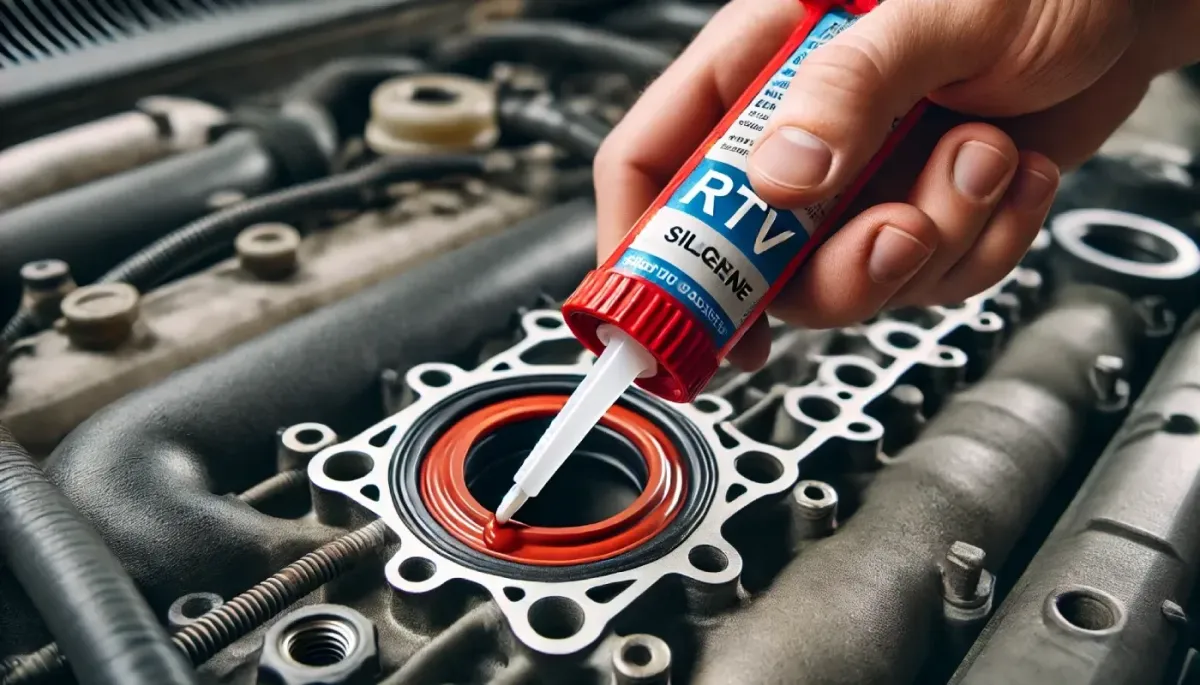
Why Adding Sealant Cannot Fix an Incorrect High-Temperature Gasket Specification
When a flange leaks in elevated-temperature service, adding high-temperature gasket sealant can look like a quick solution. But if the gasket was specified incorrectly for the actual heat, pressure, media, or flange conditions, added compound cannot correct the underlying mismatch.
Critical-service sealing starts with the gasket itself. Step-Ko Products develops high-temperature solutions around material strength, pressure class, sealing design, and isolation requirements, making correct specification the first defense against failure.
Why High-Temperature Gasket Sealant Cannot Correct a Bad Specification
Sealant may fill minor surface irregularities, but it cannot increase compressive strength, temperature capability, or pressure rating. If the gasket material softens or deforms under operating conditions, the joint remains vulnerable.
Using high-temperature gasket sealant over an unsuitable gasket can also hide the problem temporarily. The flange may appear improved while the gasket continues deteriorating beneath the added material.
Step-Ko Products emphasizes matching the sealing system to actual service conditions before installation rather than relying on supplemental materials afterward.
High-Temperature Gasket Sealant Does Not Change Material Limits
Every gasket material has physical limits. Heat resistance, compressive strength, dielectric performance, and chemical compatibility influence whether it can survive in service.
If a gasket was chosen below the required temperature range, high-temperature gasket sealant cannot make the retainer stronger or prevent thermal degradation. Engineers should review:
·Maximum operating temperature
·Flange pressure class
·Process media
·Thermal cycling
·Bolt loading
·Electrical isolation requirements
These checks show whether the gasket itself is suitable before any supplemental product is considered.
High-Heat Gasket Sealant Cannot Replace Pressure Capability
Heat and pressure place simultaneous demands on a flange connection. A gasket may tolerate elevated temperature yet lack the strength or sealing design needed for high-pressure service.
A high-heat gasket sealant cannot upgrade the mechanical capability of an underspecified gasket. If bolt load, internal pressure, or thermal movement exceeds design limits, added material does not solve that mismatch.
For critical applications, Step-Ko Products offers engineered gasket constructions intended for combinations of pressure, heat, and electrical isolation rather than treating temperature resistance as the only requirement.
High-Heat Gasket Sealant Cannot Fix Incorrect Flange Compatibility
Gasket geometry must match the flange design. Face style, pressure class, sealing area, and bolt arrangement affect compression and sealing performance.
If a gasket is dimensionally wrong, adding high-heat gasket sealant does not restore proper load distribution. Uneven contact or incorrect seating can still produce leakage.
Specifications should therefore confirm flange type and dimensions before ordering. Correct fit must come first because sealant cannot compensate for poor geometry.
Correct the Cause Instead of Covering the Symptom
When leakage appears, maintenance teams should determine why the gasket is failing before applying another product. Check whether operating conditions changed, whether the gasket matches the flange class, whether bolts were tightened properly, and whether materials remain compatible with the process media.
In some applications, a sealing compound may support a correctly designed system, but it should not substitute for engineering selection. Temporary symptom control can allow the original problem to continue.
Specify the Gasket First, Then Decide What Else Is Necessary
Preventing repeat leakage starts with correcting specification errors at their source. Review heat, pressure, media, flange geometry, and isolation requirements before deciding whether supplemental sealing material has a legitimate role.
Choose the gasket for the conditions it must survive, not for what an added compound might hide. A high-heat gasket sealant should never be expected to rescue an unsuitable design. Put correct selection first with Step-Ko Products, so critical flange connections begin with the right foundation.
FAQ’s
Q1. Can extra sealing compound increase a gasket’s pressure rating?
No. It cannot change the gasket’s underlying mechanical strength or rated capability.
Q2. What should be checked first after repeated leakage?
Review operating conditions, gasket material, flange type, bolt loading, and installation practices.
Q3. Can the wrong gasket fit create leakage?
Yes. Incorrect dimensions can prevent even compression across the sealing surface.
Q4. Why does thermal cycling matter?
Repeated heating and cooling can change joint loading and expose material weaknesses.
Q5. When should supplemental sealing products be considered?
Only after confirming that the primary gasket and flange assembly are correctly specified.