
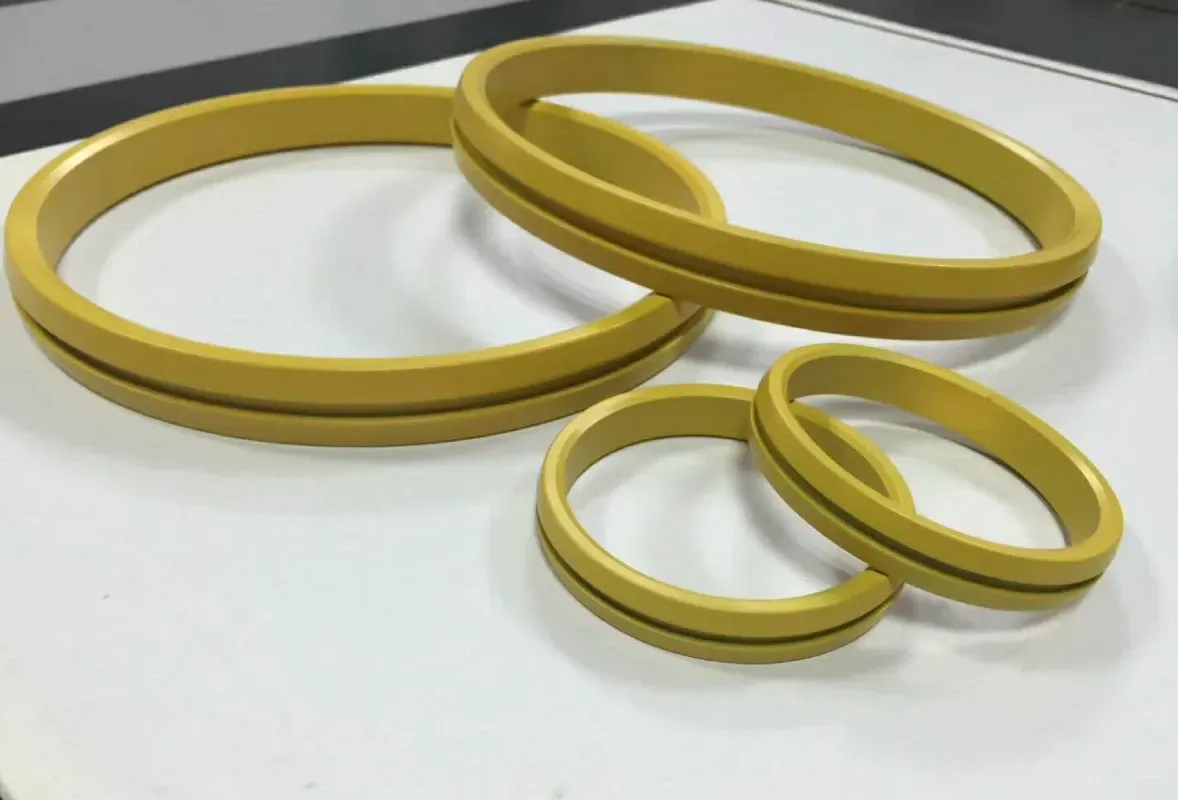
High Temperature Flange Gasket: Sealant Won't Save a Gasket That Was Wrong From the Start
When a flange operates under demanding heat and pressure, the gasket specification cannot be treated as an afterthought. A high temperature flange gasket needs materials and sealing construction intended for those operating conditions from the beginning.
At Step-Ko Products, we focus on the gasket assembly itself because selecting for temperature, pressure, and electrical isolation comes before trying to correct a poor specification later. Our Assureaseal Cathodic Isolation Gasket was developed specifically for demanding flange service.
Why A High Temperature Flange Gasket Starts With Specs
Temperature is only one part of gasket selection. Step-Ko's Assureaseal™ design combines sealing requirements with electrical isolation and the ability to work under extreme pressure.
The gasket uses our proprietary CBS 3111 glass epoxy material. Step-Ko identifies this as a very high compression strength material developed for demanding operating environments. In extreme heat applications, CBS 3111 can withstand temperatures exceeding 400°F while maintaining structural stability.
That specification matters before the flange is assembled because the base material must already suit the service.
Heat, Pressure And Materials Must Work Together Correctly
A high temperature flange gasket may experience heat and compression at the same connection. For that reason, we do not look at temperature resistance as an isolated number.
Assureaseal is designed for extreme pressurized flanges and for heat that would deteriorate many other materials. Step-Ko lists its sealing capability across flange classes from ANSI 150# through ANSI 2500#.
Before selecting a gasket, teams should pay attention to:
Expected service temperature
Flange pressure class
Sealing requirements
Electrical isolation needs
Gasket construction
These details establish whether the gasket belongs in the application before installation begins.
Why High Temperature Gasket Sealant Cannot Fix Selection
The phrase high temperature gasket sealant can draw attention toward sealing alone. Step-Ko's own high-temperature solution takes a broader approach. Its performance comes from the engineered gasket structure rather than treating an added sealing material as a substitute for correct gasket selection.
If the chosen gasket material is not intended for the operating heat or pressure, adding something around it does not change its original material specification. The starting point should remain the gasket construction and the service conditions it was designed to handle.
CBS 3111 Changes What The Gasket Can Handle
At the center of Assureaseal is CBS 3111. Step-Ko developed this glass epoxy composite for high compression strength and demanding operating conditions. The composite construction also helps prevent internal buildup that can lead to an electrical cross arc.
That makes the high temperature flange gasket more than a heat-resistant layer between two flange faces. It is designed around mechanical stability, sealing and cathodic isolation within one assembly.
This distinction matters when specification decisions involve more than temperature alone.
Seal Construction Matters Beyond The Outer Material
Assureaseal also incorporates a glass-reinforced spring-energized Teflon® seal with a 316 stainless steel internal coil spring. Step-Ko states that this design allows constant pressure to be applied with minimal cold flow while supporting seal integrity.
The important point is that performance comes from multiple engineered elements working together:
CBS 3111 structural material
Spring-energized sealing construction
316 stainless steel internal coil spring
Electrical isolation capability
Looking only at the visible sealing surface can miss much of what determines suitability for demanding service.
Choose The Gasket Before Heat Chooses For You
At Step-Ko Products, we believe gasket selection should begin with the actual operating demands of the flange. A correctly specified high temperature gasket sealant discussion should never replace reviewing temperature, pressure, construction and isolation requirements first.
If you are evaluating a demanding flange application, contact our team to discuss the service conditions and Assureaseal options. We can help you review the gasket specification before installation rather than expecting an unsuitable material choice to be corrected afterward.
Frequently Asked Questions
1: What Temperature Can Assureaseal Handle In Extreme Heat?
Step-Ko states that CBS 3111 can withstand temperatures exceeding 400°F in extreme heat applications while maintaining structural stability.
2: What Pressure Classes Does Assureaseal Support In Service?
The gasket is designed for flange applications ranging from ANSI 150# through ANSI 2500# according to Step-Ko's product information.
3: What Material Is Used Inside Assureaseal Gaskets Today?
Assureaseal uses proprietary CBS 3111 glass epoxy material with a glass-reinforced spring-energized Teflon® seal and 316 stainless steel internal coil spring.
4: Does The Gasket Also Provide Electrical Isolation Protection?
Yes. Step-Ko manufactures Assureaseal as a cathodic isolation gasket intended to combine flange sealing with electrical isolation in demanding service.
5: Why Should Gasket Selection Come Before Sealant Decisions?
The gasket's materials construction, temperature capability, pressure range and isolation function are built into the product specification. Those characteristics should be matched to service requirements first.