
How To Determine The Right Temperature Rating For An Industrial Gasket
Two joints carrying the same nominal process temperature can require different sealing constructions. One operates steadily; another sees steam cleaning, cold shutdowns, and rapid restarts. Selecting a high temperature gasket begins with the complete temperature history, including credible departures from normal operation. A catalog maximum alone leaves too much unstated. The rating must apply to the supplied construction, the process medium, and the pressure that occurs alongside the heat. A useful specification records these conditions clearly enough that purchasing, engineering, and maintenance can identify the same approved component without relying on a broad product description.
Start With the Conditions the Instrument Records
Specify industrial high temperature gaskets from the joint's operating conditions, including peaks and duration. Remote readings may misrepresent local conditions. Identify where each reading was taken and how it relates to the connection under review. The specification should distinguish measured conditions from assumptions, especially when startup or cleaning creates temperatures different from the normal production reading.
A high temperature gasket for oil and gas also needs the actual fluid composition. Include cleaning chemicals and process changes. A broad service label does not identify every substance that reaches the sealing interface. Record the relevant media and exposure stages clearly so the compatibility review covers the complete duty rather than only the main production stream.
1. Record normal temperature and credible startup peaks in the same engineering brief.
2. Identify simultaneous pressure conditions rather than combining unrelated catalog maximum values.
3. Include cleaning media and shutdown exposure in the material compatibility review.
High Temperature Gasket Ratings Need Clearly Defined Test Conditions
Compare a high temperature gasket rating with the supplier's stated application conditions. Distinguish continuous from intermittent exposure. Look for qualifications attached to the published figure, including the medium and permitted duration. If the data does not describe the proposed duty, seek clarification before converting a catalog value into an equipment specification or purchasing requirement.
For industrial high temperature gaskets, check the full construction rather than the body material alone. Component limits can differ. Identify sealing elements, reinforcement, and any associated insulating parts in the review. An assembly is only suitable when all applicable restrictions are respected; the temperature capability of one constituent cannot stand in for the completed product's limits.
Operating Records Guide High Temperature Gasket For Oil And Gas Selection
Specify a high temperature gasket for oil and gas using the required flange standard, face style, and pressure class. Diameter alone is insufficient. Those details determine the required geometry and how the part interfaces with the joint. Retain the full designation in purchasing records so a replacement is selected from the accepted drawing rather than a nominal size alone.
A high temperature gasket must also receive suitable assembly stress. Confirm loading for the installed hardware. The installation procedure must suit the selected construction and connection. Reviewing the loading requirements alongside thermal duty prevents the selection from becoming a material comparison that overlooks how the joint will achieve and maintain sealing contact.
Temperature Events Deserve Separate Entries in the Specification
Compare industrial high temperature gaskets across a duty record that separates production, cleaning, startup, and shutdown. Normal operation can conceal greater demands. A short cleaning stage may involve a different medium as well as a different temperature. Keeping those stages distinct makes it easier to identify which condition controls selection and which additional compatibility questions need an answer.
For a high temperature gasket for oil and gas, record the following temperature distinctions. Give each stage its own entry, including the measured or specified temperature, exposure duration, and associated medium. The table separates the information needed for review so a steady production figure does not obscure a more demanding startup or cleaning condition.
Operating stage | Required record | Review purpose |
Steady production | Sustained temperature | Continuous service |
Startup peak | Level and duration | Excursion suitability |
Cleaning cycle | Heat and chemicals | Material compatibility |
Cold shutdown | Minimum temperature | Recovery behavior |
Written Limits Support Industrial High Temperature Gaskets Approval
Obtain the exact construction designation for a high temperature gasket. Identical dimensions do not prove equivalent performance. Record the manufacturer's designation and the applicable supporting document with the approved item. That allows later reviewers to distinguish a true equivalent from a component that merely matches the same outline or fits between the same flanges.
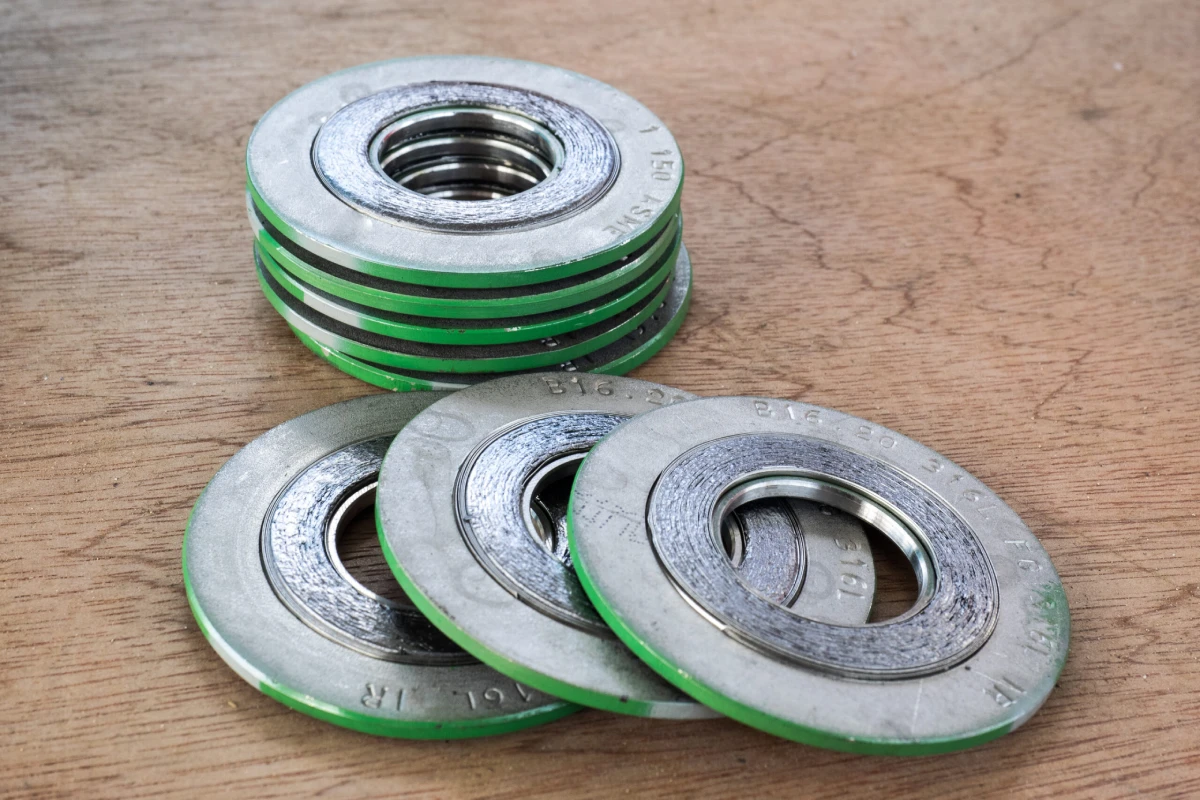
Step-Ko Products describes composite and spring energized constructions relevant to industrial high temperature gaskets. Require configuration specific approval. Use the available product description to identify the construction being considered, then compare it with the duty record. The approval should apply to that configuration rather than being inferred from the broad category in which the product is listed.
Preserve the Basis for Every Material Substitution
A high temperature gasket for oil and gas should not be substituted from a temperature figure alone. Retain all operating requirements. Compare the proposed replacement with the original basis of selection, including geometry and isolation needs. Any difference should remain visible to the reviewer so purchasing convenience does not silently alter the accepted construction or its intended service scope.
Reconcile the Purchase Description With the Engineering Record
Check the proposed high temperature gasket against the accepted data sheet. Resolve unclear limits before release. Read the purchase description alongside the engineering record and confirm that both identify the same construction. Missing qualifiers can lead to the correct nominal size being supplied with a different sealing element, reinforcement, or application limit than intended.
For industrial high temperature gaskets, retain approval with the equipment record and review any duty change. Include the reason for any later amendment and the person responsible for its technical acceptance. This creates a useful reference when production conditions change, avoiding the assumption that an earlier approval automatically covers a new thermal or chemical duty.
Turn Temperature Data Into a Traceable Gasket Decision
Specific operating data improves selection. Step-Ko Products presents high temperature sealing products with identified composite and seal constructions. Those details help engineering teams move beyond a generic heat resistant description and define the assembly being considered. Record the expected pressure and media alongside temperature so the review addresses the real service.
Once the duty is documented, Step-Ko Products' isolation kit range provides a separate basis for evaluating electrical separation needs. For a high temperature gasket for oil and gas, keep that requirement visible through procurement and installation. A defensible temperature rating belongs to a defined assembly operating within a defined set of conditions.
Frequently Asked Questions
1. Is normal operating temperature enough for gasket selection?
No. Include startup peaks, cleaning exposure, and shutdown conditions. The relevant temperature range extends beyond the value seen during steady production.
2. Can intermittent ratings replace continuous service ratings?
No. Intermittent limits apply under stated exposure conditions. Obtain confirmation before using an occasional peak rating for sustained operation.
3. Should the lowest component limit control approval?
Yes. An assembly must respect every applicable component limit. A stronger body material does not increase the temperature capability of its seals.
4. Does nominal pipe size identify the correct gasket?
No. Flange standard, pressure class, facing, and geometry also matter. Confirm the complete joint designation before finalizing the component specification.
5. Must a material substitution receive another technical review?
Yes. Similar dimensions do not establish equivalent performance. Compare construction, media compatibility, operating limits, and isolation requirements before approving the substitution.