
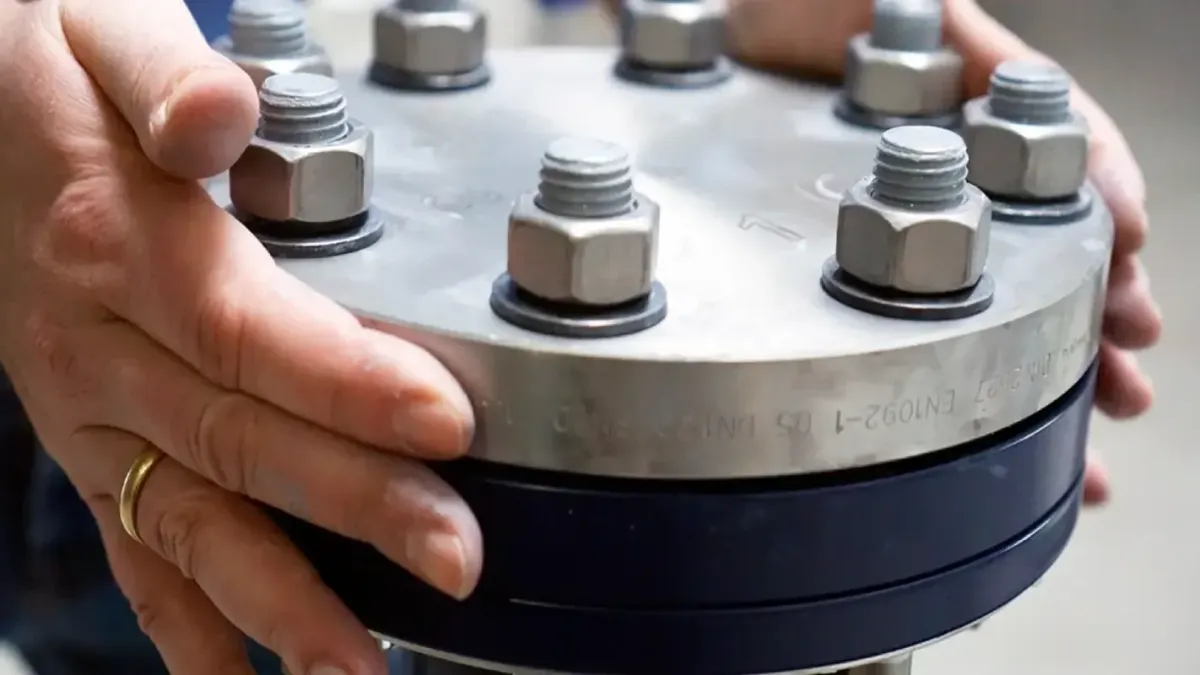
How to Select a High-Temperature Sealing Gasket for Critical Flange Service
Selecting a high-temperature sealing gasket requires more than checking a maximum temperature rating. Pressure, process media, flange design, thermal cycling, vibration, and electrical isolation can affect whether the joint performs reliably in critical service.
Engineering teams should evaluate the operating environment before specifying a sealing solution. Step-Ko Products develops gasket systems for demanding flange applications where heat, pressure, and isolation requirements must work together.
Start High-Temperature Sealing Gasket Selection with Service Conditions
The first step is defining what the flange will experience. Normal operating temperature matters, but engineers should also consider startup conditions, shutdown cycles, pressure fluctuations, and process excursions.
A high-temperature sealing gasket must retain strength as heat increases while maintaining sealing force. Materials that perform well at moderate temperatures may deform or lose effectiveness when thermal stress rises.
The high-temperature pressure gasket should therefore be evaluated against pressure and temperature together, not selected around one rating alone.
Match the High-Temperature Sealing Gasket to Pressure Class
Pressure class can narrow gasket choices quickly. Higher-pressure connections place greater mechanical demands on sealing materials, so engineers should compare the gasket design with flange class and expected bolt load.
Engineers evaluating a high-temperature sealing gasket should verify:
·Flange pressure class
·Maximum and minimum temperatures
·Bolt loading requirements
·Expected thermal cycling
·Flange face configuration
These checks help prevent choosing a material whose temperature capability looks adequate but does not match the mechanical demands of the connection.
Evaluate the High Heat Gasket Seal Against Process Media
Temperature and pressure are only part of selection. The fluid or gas moving through the system may interact with gasket materials differently at elevated temperatures.
A high heat gasket seal should be reviewed for compatibility with actual service media. Chemical concentration, hydrocarbons, moisture, and process contaminants can influence long-term material behavior.
This is also where a high-temperature pressure gasket should be assessed under combined conditions. A material that tolerates heat alone may perform differently when pressure, media exposure, and thermal cycling occur simultaneously.
A High Heat Gasket Seal Must Account for Flange Movement
Critical flange connections rarely remain static. Temperature changes can cause expansion and contraction, while pumps, compressors, and process equipment may introduce vibration.
For that reason, selecting a high heat gasket seal should include questions about movement, pressure variation, and repeated thermal cycles. Step-Ko Products designs sealing solutions for industrial environments where these stresses can influence long-term performance.
Engineers should also confirm whether the design can maintain sealing force as operating conditions change instead of relying on one laboratory rating.
Consider Electrical Isolation Alongside Sealing Performance
Some critical flange joints must contain process media while interrupting electrical continuity. This matters in systems involving dissimilar metals or cathodic protection.
Engineering selection should confirm whether the connection requires:
·Cathodic isolation
·Separation of dissimilar metals
·High dielectric performance
·Low water absorption
·Compatibility with sleeves and washers
A gasket that seals properly but fails to support the intended isolation strategy may leave the system exposed to corrosion concerns elsewhere.
Step-Ko Products approaches gasket selection as part of the complete flange assembly, helping engineers consider sealing and corrosion-control needs together.
Engineer the Seal for Real Operating Conditions
Critical-service gasket selection should begin with operating data, not a single temperature number. Pressure class, media, flange geometry, vibration, thermal cycling, and electrical isolation deserve attention before specification.
Review the full connection before selecting the high-heat gasket seal. Step-Ko Products helps engineering teams align sealing requirements with the conditions the flange will face, reducing guesswork and supporting better long-term decisions.
FAQ’s
Q1. Why should temperature and pressure be reviewed together?
Higher temperatures can change material behavior, while pressure increases mechanical loading across the joint.
Q2. Does flange condition affect gasket selection?
Yes. Surface condition, alignment, flange type, and available bolt load can influence performance.
Q3. Why does thermal cycling matter?
Repeated heating and cooling can cause expansion, contraction, and changing loads.
Q4. Should process media always be reviewed?
Yes. Chemicals, hydrocarbons, moisture, and contaminants can affect material performance.
Q5. When is electrical isolation important?
It is important when separating dissimilar metals or supporting cathodic protection.