Step-Ko Products LLC delivers corrosion control solutions to clients in over 42 countries, supported by…
How to Prevent Pipeline Corrosion in Harsh Environments
Pipelines are the lifelines of the energy and industrial sectors, but they rarely operate in ideal conditions. More often than not, you are tasked with maintaining integrity in some of the most unforgiving environments on Earth. Whether it is the high-salinity atmosphere of an offshore platform, the abrasive sands of a desert, or the chemical exposure of an industrial processing plant, the threat of corrosion is constant.
At Step-Ko Products, we understand that corrosion is not just a maintenance nuisance; it is a threat to your personnel, your equipment, and the environment. When the operating conditions are harsh, standard protection methods often fall short. To extend the lifespan of your infrastructure, you need a comprehensive, proactive strategy that begins with design and continues through daily operations.
Here is how you can approach corrosion prevention when the environment is working against you.
1. Smart Material Selection
The first line of defense against corrosion starts long before the pipeline is laid. It begins with choosing the right materials for the specific environment. In harsh conditions, standard carbon steel may not be enough without proper reinforcement.
Engineers must consider the specific harmful agents present, such as hydrogen sulfide, carbon dioxide, or chlorides. They need to select alloys that can withstand these elements. For instance, in environments prone to stress corrosion cracking, high-grade stainless steels or corrosion-resistant alloys (CRAs) are often necessary. Although the initial cost is higher, reducing the risk of failure and replacement costs over the asset’s life makes it an important decision.
2. Advanced Coatings and Linings
When you cannot change the environment, you must create a barrier against it. In areas with high humidity, saltwater spray, or soil contaminants, the external coating system is critical.
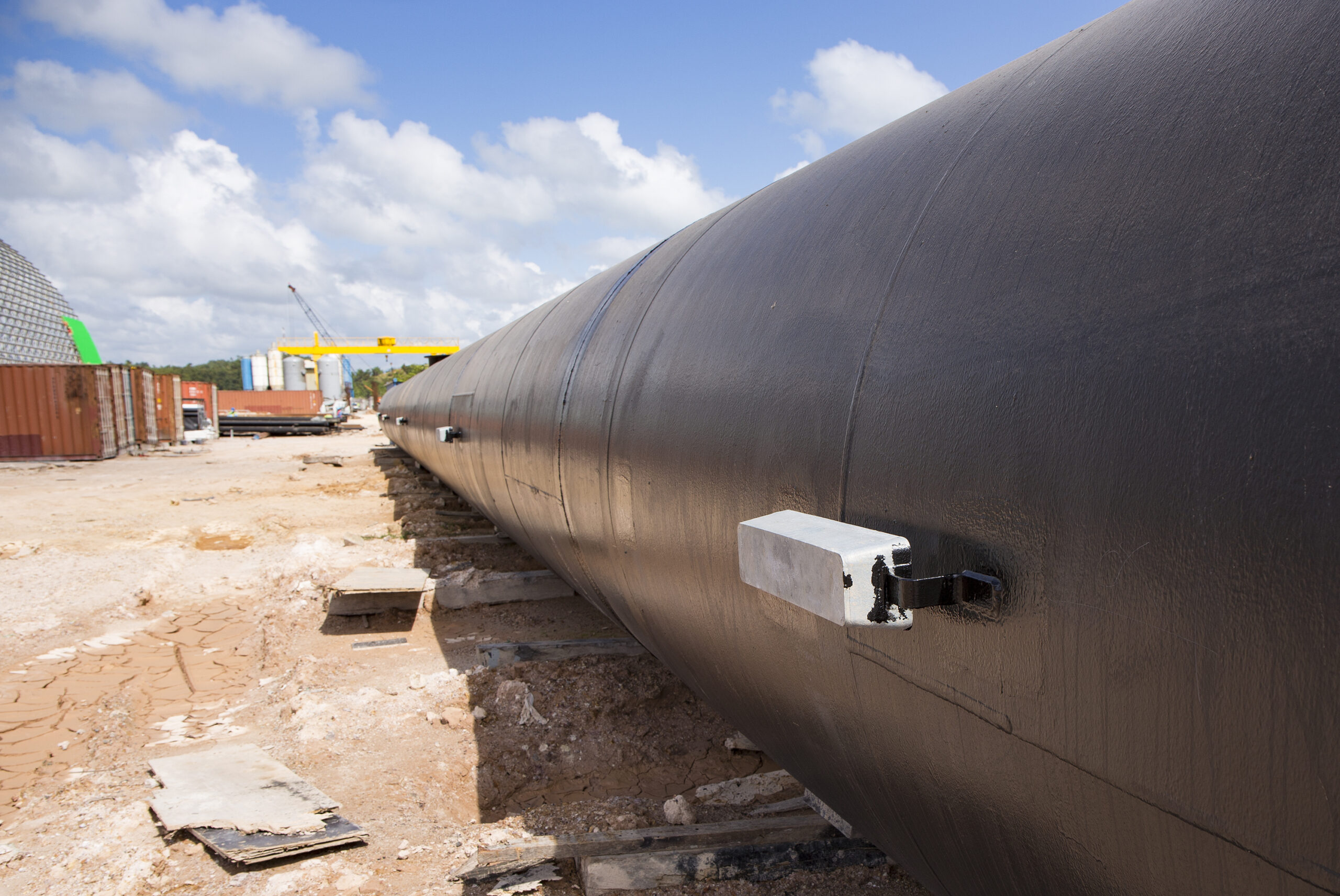
For harsh environments, a simple coat of paint is insufficient. You need high-performance coating systems—such as fusion-bonded epoxy (FBE), three-layer polyethylene (3LPE), or thermal spray aluminum—that provide strong adhesion and chemical resistance.
However, the coating is only as good as its application. In rugged terrain or offshore settings, even a microscopic pinhole can become a failure point. A uniform, defect-free application is essential to stop moisture and oxygen from reaching the metal surface.
3. Controlling the Immediate Environment
Sometimes, prevention means managing the surroundings of the pipeline. In industrial settings, this might mean controlling drainage to prevent water from pooling around the pipe base. In trenching operations, it involves using select backfill materials that do not damage the pipe coating or trap corrosive moisture against the metal.
By minimizing the time your infrastructure spends in direct contact with corrosive electrolytes (like standing water or wet soil), you significantly reduce the rate of oxidation.
4. Implement Rigorous Monitoring Programs
In harsh environments, corrosion can accelerate rapidly. What might take years to degrade in a dry, temperate climate can fail in months in a tropical or marine environment. Therefore, a “set it and forget it” mentality is dangerous.
You need a robust corrosion monitoring program. This involves more than just visual inspections. utilizing technologies such as:
- Corrosion Coupons: to measure the rate of metal loss in the system.
- Ultrasonic Testing: to detect wall thinning without halting operations.
- Intelligent Pigging: to inspect the internal condition of long pipeline stretches.
Data is your best ally. By tracking corrosion rates over time, you can predict failures before they happen and schedule maintenance during planned downtimes instead of emergency shutdowns.
5. Prioritize Routine Maintenance
Protective barriers degrade faster in harsh environments making regular maintenance a necessity. UV radiation breaks down coatings, and shifting soils can stress physical connections.
Maintenance should focus on spotting the early warning signs: discoloration, blistering paint, or minor leaks. Addressing these small breaches immediately prevents the environment from gaining a foothold on the metal substrate.
Partnering for Integrity
Protecting your greatest assets requires vigilance and the right resources. At Step-Ko Products, we have spent over two decades researching and providing solutions that keep global industries running safely. We know that affordable, effective corrosion protection is essential to your bottom line and your safety record.
If you are facing challenges in a harsh environment and need a responsive partner to help you find the right solution, we are here to help.
Contact Step-Ko Products Today
Featured Image: fotokaleinar / Shutterstock
Related Posts