Corrosion is a serious issue for pipelines, putting both efficiency and safety at risk. Industries…
How Corrosion Affects Pipeline Efficiency and Longevity
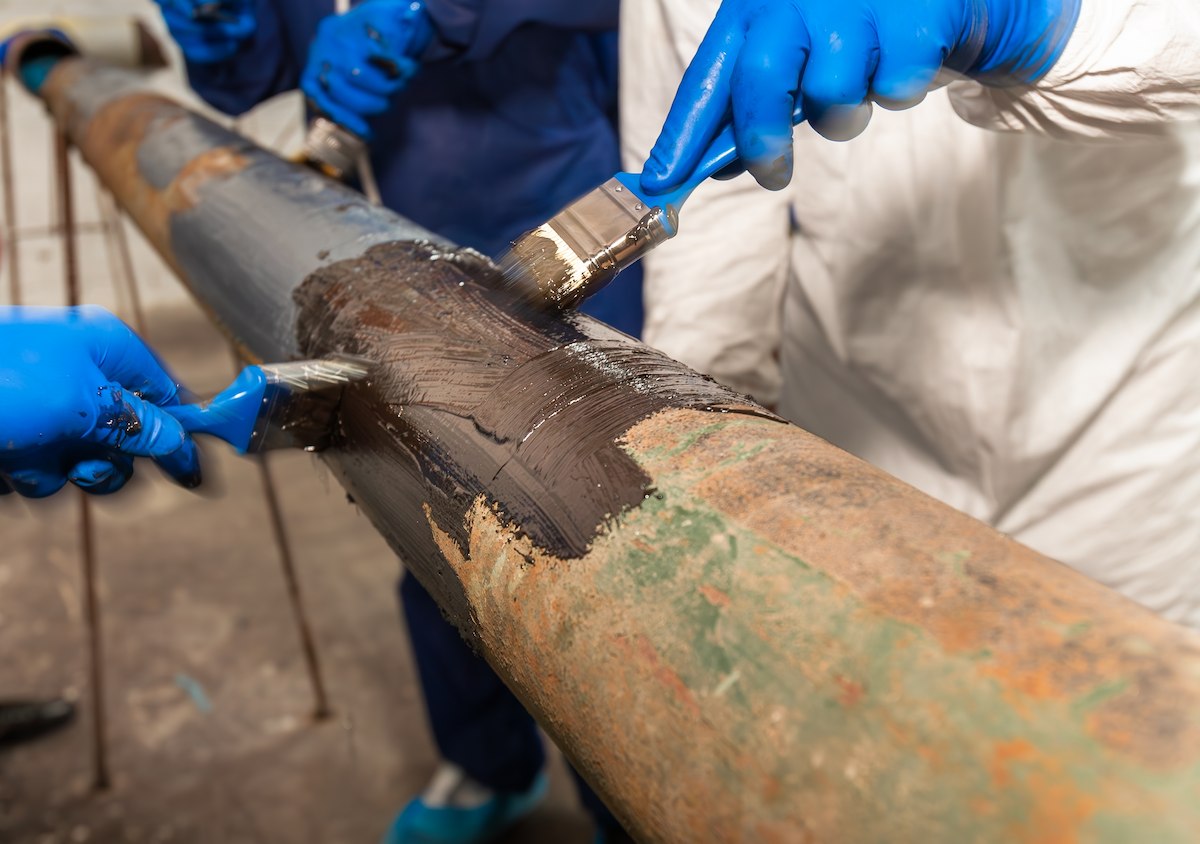
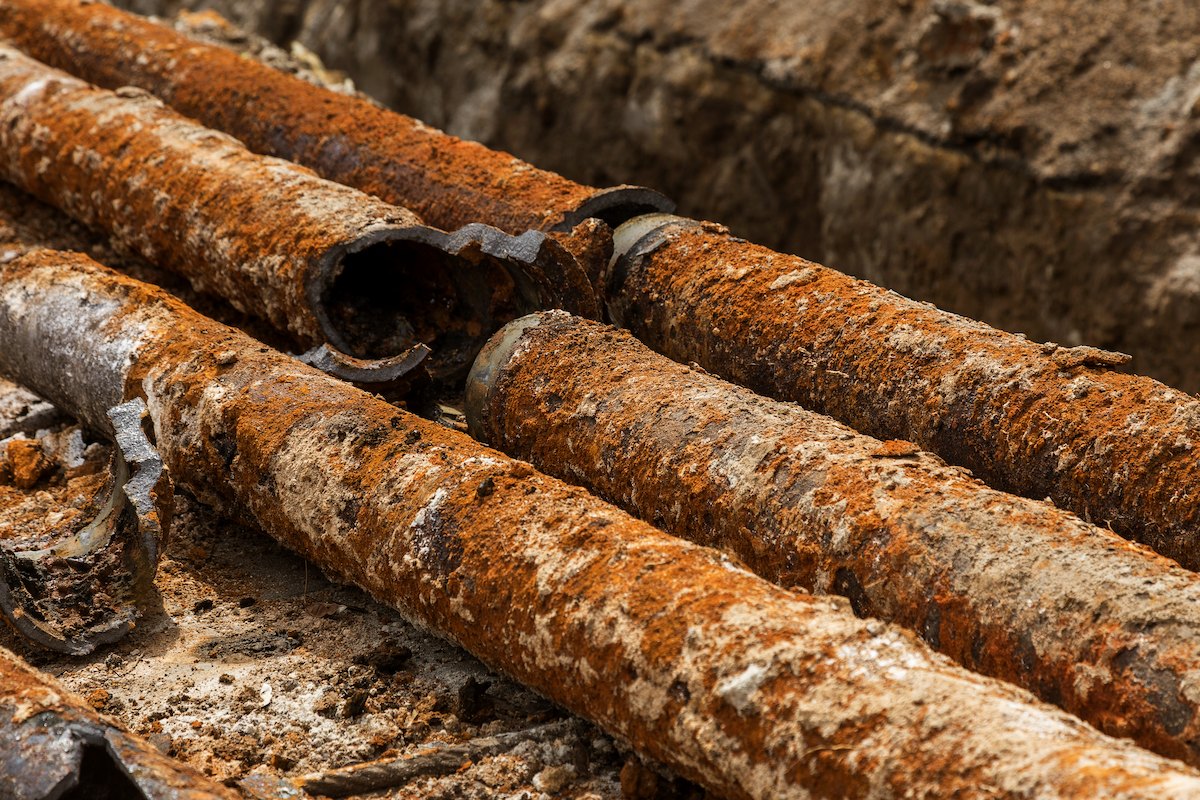
At Step-Ko Products LLC, we understand how important strong pipelines are for moving energy and fluids worldwide. Our team has worked in more than forty-two countries and has seen firsthand how environmental and chemical factors can threaten these systems. Corrosion is one of the main challenges, gradually wearing down metal over time. The damage often goes unnoticed until a problem occurs, but corrosion is more than just surface rust. It can seriously affect the reliability and safety of the pipelines that keep everything running.
The Impact of Internal and External Degradation on Flow Efficiency
Pipelines are designed to move products efficiently from one place to another, but corrosion can damage them by altering the inside of the pipe. When corrosion starts inside, it creates pits and rough spots that disrupt the smooth flow of fluids. This leads to turbulence and causes pressure drops throughout the system. To keep things moving, operators often have to use more pumping power, which increases energy use and puts extra strain on equipment. As corrosion gets worse, the system has to work much harder to do the same job it once did easily.
Escalating Maintenance Costs and Resource Allocation
Beyond the immediate loss of hydraulic efficiency, industrial pipeline degradation introduces a heavy financial burden that can drain corporate resources and complicate long-term budgeting. Maintenance costs for corrosion pipelines are not limited to the cost of a patch or a replacement section; they include the extensive labor required for continuous monitoring and the specialized equipment needed for deep-tissue inspections. When corrosion-related pipeline failures occur, the resulting downtime can cost millions of dollars in lost revenue and lead to environmental cleanup costs. We recognize that for many organizations, the shift from proactive management to reactive, emergency repairs is a costly transition that limits the ability to invest in new infrastructure or technology. The cumulative economic impact of managing a corroding system often far exceeds the project’s original capital expenditure.
Shortened Pipeline Lifespan and Structural Reliability
The relationship between pipeline lifespan and corrosion is perhaps the most critical factor for long-term asset management and sustainability. As the metal walls of a pipe thin due to oxidation and chemical attacks, the structural integrity of the entire network is compromised, making it susceptible to bursts or leaks under standard operating pressures. This loss of pipeline reliability and corrosion-induced thinning eventually reaches a point where the asset is no longer safe to operate, leading to the premature decommissioning of systems that should have lasted for decades longer. In the industrial sector, replacing a major pipeline years ahead of schedule is a logistical and financial nightmare that disrupts service and increases the operation’s environmental footprint.
Prioritizing Infrastructure Integrity with Step-Ko Products LLC
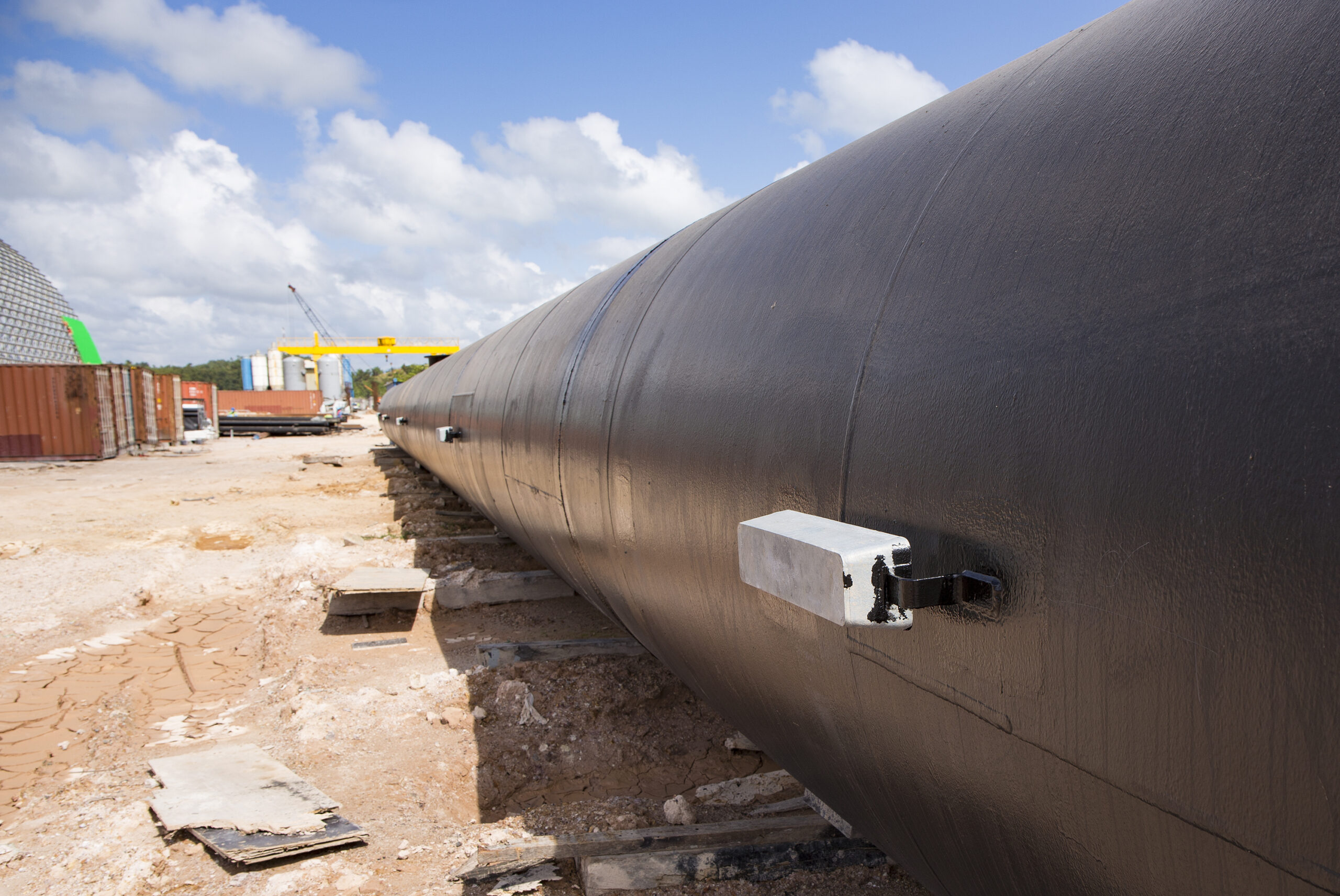
The consequences of allowing corrosion to go unaddressed are clear, ranging from reduced operational flow and skyrocketing energy costs to the complete failure of critical infrastructure. Understanding these impacts is the first step toward maintaining a robust, dependable system that can withstand the rigors of industrial use. At Step-Ko Products LLC, we remain committed to helping our global partners navigate the complexities of pipeline management and infrastructure health. Ensuring the longevity of your assets requires a deep understanding of the risks involved and a commitment to maintaining the highest reliability standards. If you are looking for more information on managing your infrastructure needs or would like to discuss the challenges facing your current systems, please feel free to reach out to our team at Step-Ko Products LLC.
Image Source: A_Lesik / Shutterstock
Related Posts