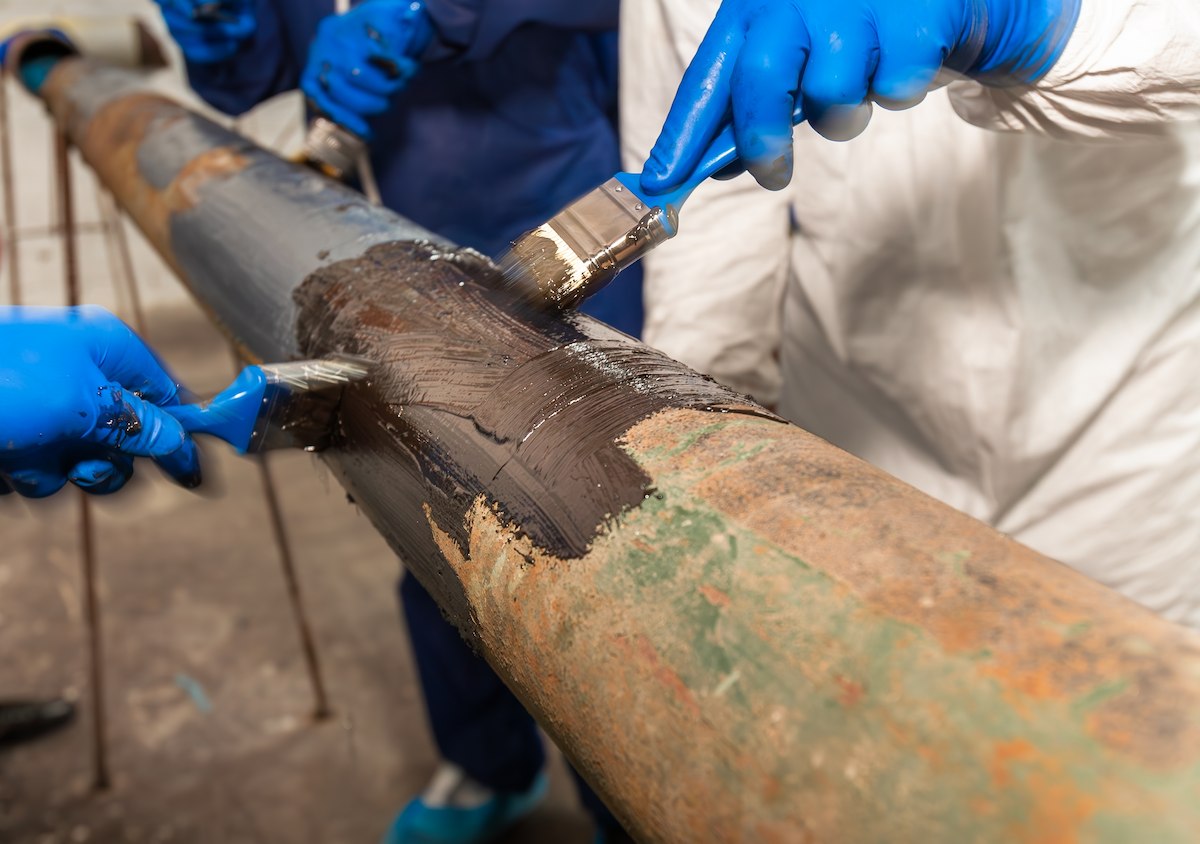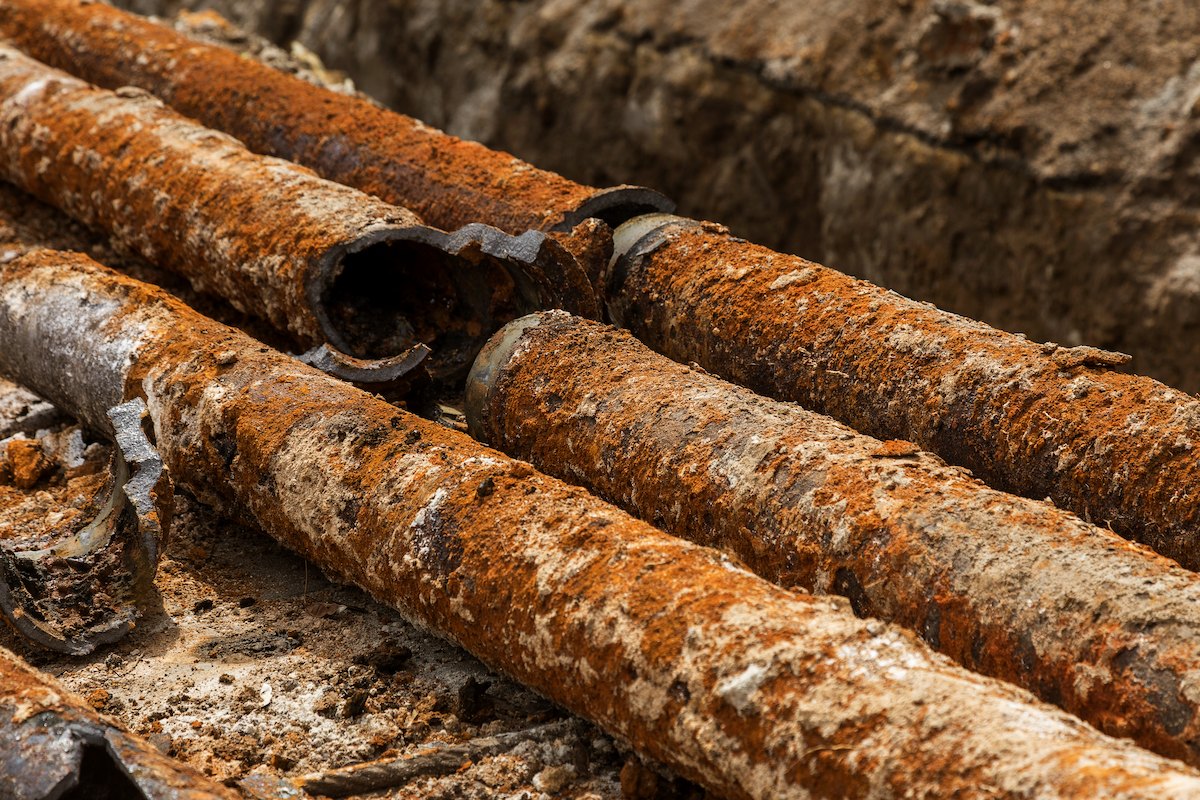
Corrosion is a serious issue for pipelines, putting both efficiency and safety at risk. Industries…
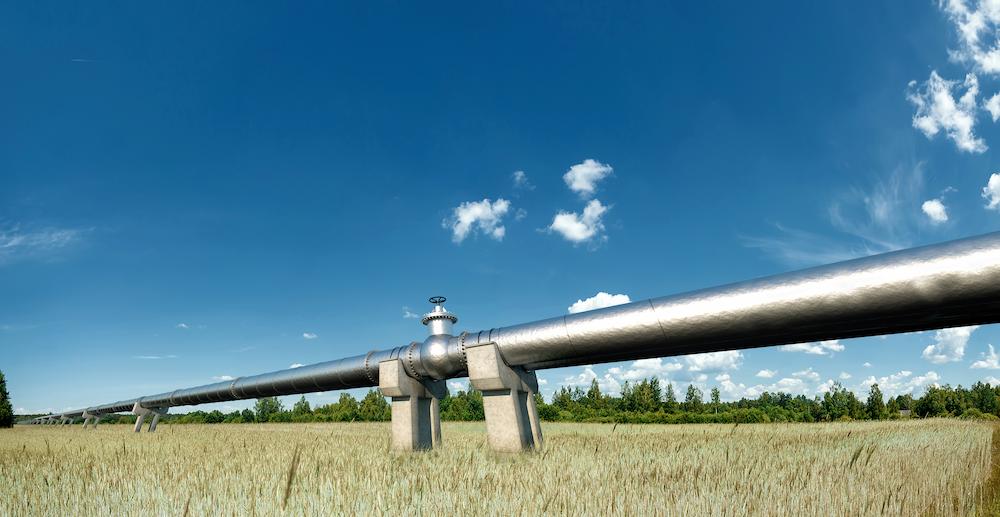
Comparing Isolation Flanges vs. Monolithic Isolation Joints
Pipelines serve as the lifeblood of global industry, but they face constant threats from corrosion and stray electrical currents. To maintain the integrity of these systems, engineers must implement effective electrical isolation strategies. Two primary options exist for this task: Flange Isolation Gasket Kits and monolithic isolation joints.
Both solutions provide critical protection against pipeline failure, but they differ significantly in construction, application, and maintenance requirements. Understanding these differences helps project managers select the most efficient and affordable solutions for their specific infrastructure needs.
What is a Flange Isolation Gasket Kit?
At Step-Ko, we specialize in high-quality kits that deliver electrical isolation between two pipe flanges. Unlike a permanent joint, a Flange Isolation Gasket Kit is an assembly of individual components, including an insulating gasket, sleeves, and washers, that break electrical continuity and prevent galvanic corrosion.
These kits are highly favored for their versatility. Because they are installed onto existing flanges, they can be replaced or maintained without cutting the pipeline. This makes them ideal for chemical processing facilities or oil and gas pipelines that require frequent inspections.
Material Science in Isolation
To ensure the kit performs under stress, Step-Ko utilizes several specialized materials, each chosen for its unique properties:
- Phenolic: A tough, resin-based material reinforced with fabric or paper, known for its excellent electrical resistance and structural strength.
- Polyethylene: A versatile plastic that offers high durability and moisture resistance, making it an effective insulator in various temperatures.
- Mylar: A strong polyester film with high tensile strength and chemical stability, often used in sleeves to ensure electrical separation.
- G-10 and Nomex: High-performance materials used for extreme durability and high-temperature resistance, respectively.
What is a Monolithic Isolation Joint?
In contrast, a monolithic isolation joint is a single, pre-fabricated unit. These are factory-assembled and tested to ensure they are leak-proof and ready to be welded directly into the pipeline. Because they are a “seamless” part of the pipe, they eliminate the need for the gaskets and sleeves found in a kit.
Monolithic joints are the preferred choice for high-pressure systems and offshore projects where long-term reliability is paramount. Since they have no moving parts or accessible gaskets, they require virtually zero maintenance once installed, making them a “fit and forget” solution for remote or subsea locations.
Key Comparisons: Choosing the Right Tool
When deciding between a kit and a monolithic joint, engineers must evaluate the project’s specific environment and budget.
- Maintenance: Flange isolation kits are replaceable. If a component fails or the system needs inspection, the kit can be removed and a new one installed. Monolithic joints, while more robust, cannot be repaired; if they fail, a section of the pipe must be cut and replaced.
- Pressure and Environment: Monolithic joints are built for extreme conditions and often perform better in high-pressure scenarios. However, for standard industrial applications where accessibility is a priority, flange isolation kits are the more flexible choice.
- Cost-Effectiveness: In many B2B industrial sectors, flange isolation kits are the most cost-effective solutions. They provide reliable protection without the high initial capital expenditure associated with custom-manufactured monolithic units.
Selecting Your Solution
Whether your project involves standard chemical transport or complex offshore energy infrastructure, selecting the correct isolation method is vital for safety. You may need to use either monolithic or flange isolation kits depending on your project-specific needs, environmental pressures, and maintenance capabilities.Step-Ko is committed to providing the industry’s most reliable and affordable isolation products. For expert guidance in making your choice or to browse our full range of isolation kits, contact us today.
Image Credit: Marko Aliaksandr // Shutterstock
Related Posts