At Step-Ko Products LLC, we understand how important strong pipelines are for moving energy and…
Understanding Different Types of Pipeline Coatings and Their Benefits
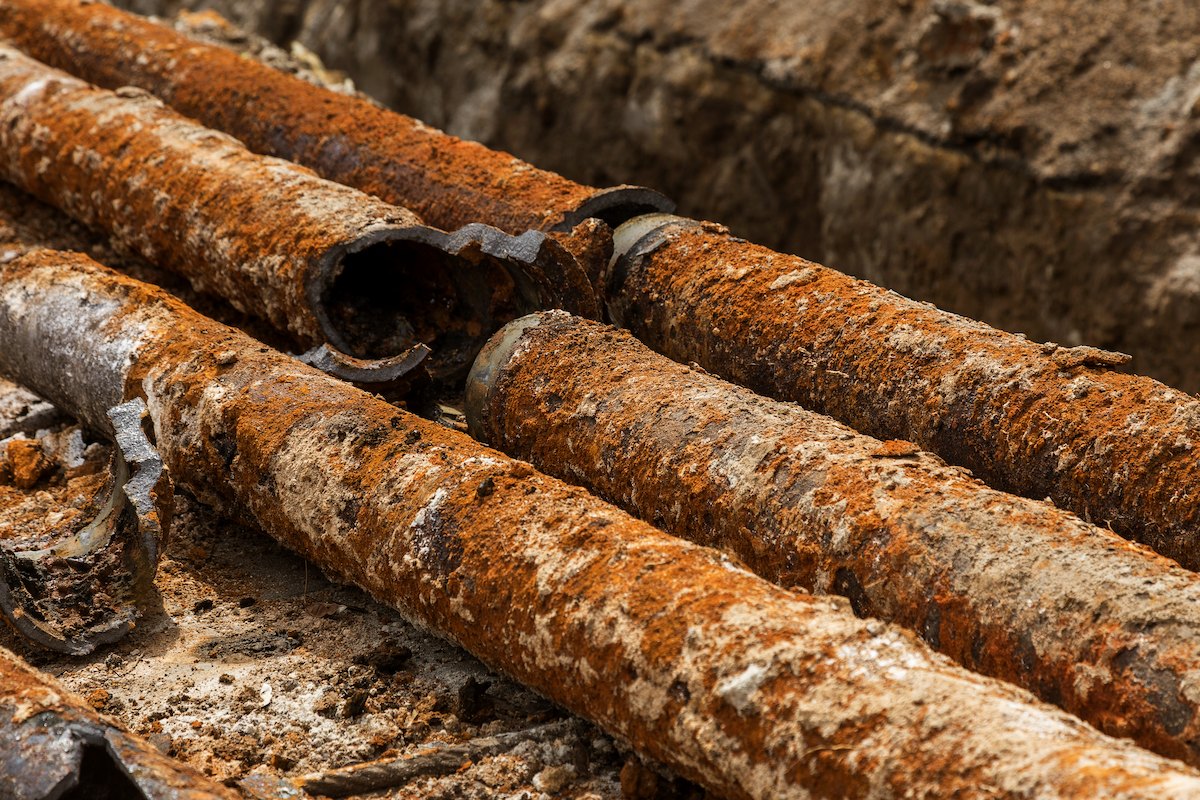
Corrosion is a serious issue for pipelines, putting both efficiency and safety at risk. Industries like oil and gas, chemical processing, and marine use pipeline coatings to guard against this problem. These coatings help pipelines last longer and lower maintenance expenses.
If you work as a pipeline engineer, project manager, or maintenance planner, it’s important to consider different coating types, such as epoxy, polyurethane, and fusion-bonded coatings. Our goal is to help you choose the right coating for your environment and operations so your pipelines remain durable and meet industry standards.
The Importance of Pipeline Coatings
Pipeline coatings act as a barrier, protecting metal surfaces from corrosion caused by moisture, chemicals, and extreme temperatures. In industries such as oil and gas, chemical processing, marine, and infrastructure, these harsh conditions can quickly damage materials, leading to leaks, structural problems, and operational interruptions.
Coatings keep corrosive elements from reaching the pipeline, helping it last longer and remain strong. This means fewer inspections, repairs, and replacements are needed, so operational costs go down, and downtime is reduced.
High-performance coatings such as epoxy, polyurethane, and fusion-bonded coatings also help meet industry standards and regulations. Over time, these protective layers keep assets valuable, support safety, improve efficiency, and encourage good environmental practices.
Types of Pipeline Coatings
The performance and lifespan of a pipeline depend on picking a coating that fits the operating environment. Coatings like epoxy, polyurethane, and fusion-bonded epoxy each offer different levels of resistance to moisture, chemicals, and extreme temperatures, so engineers can match protection to each application.
Epoxy Coated Pipelines
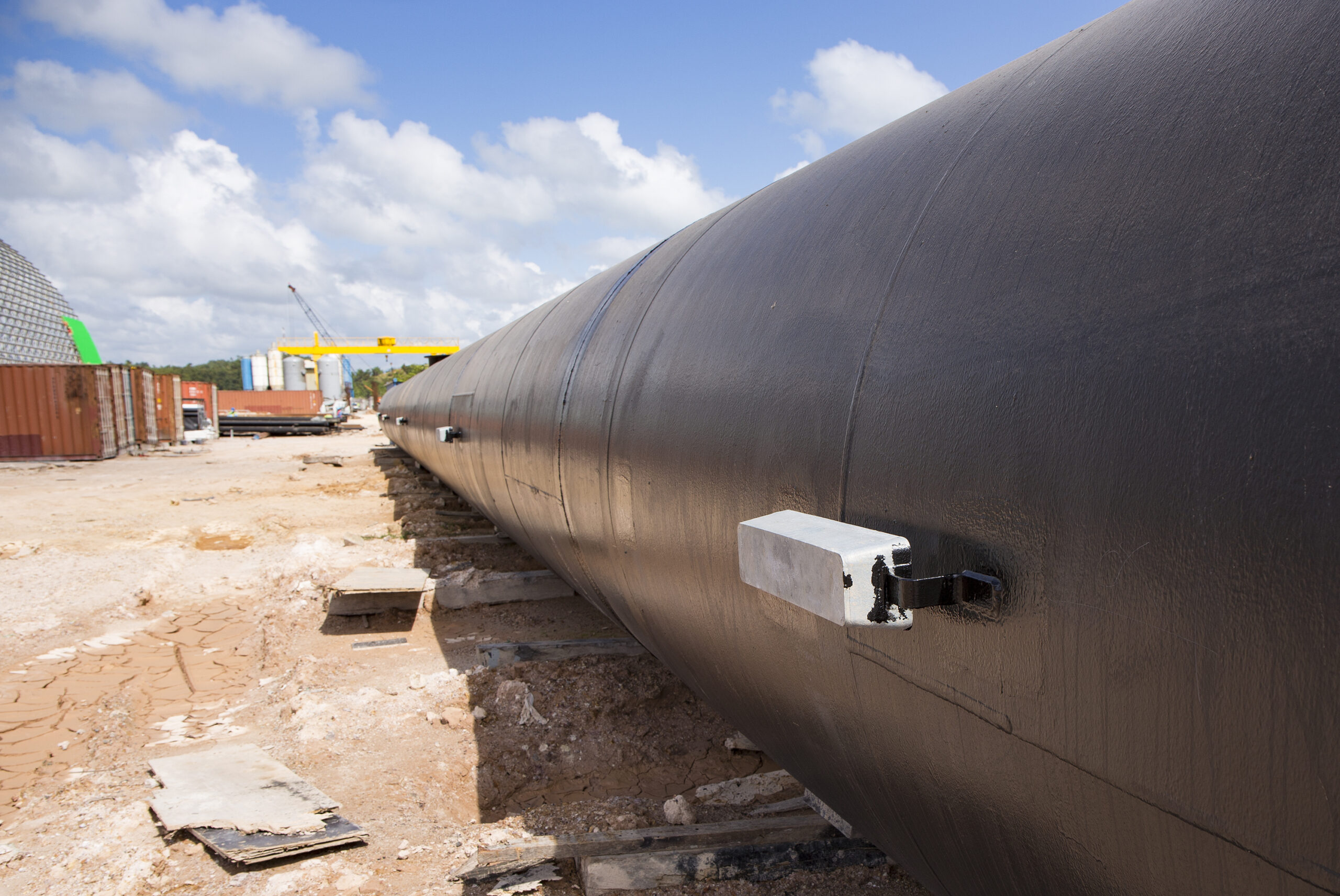
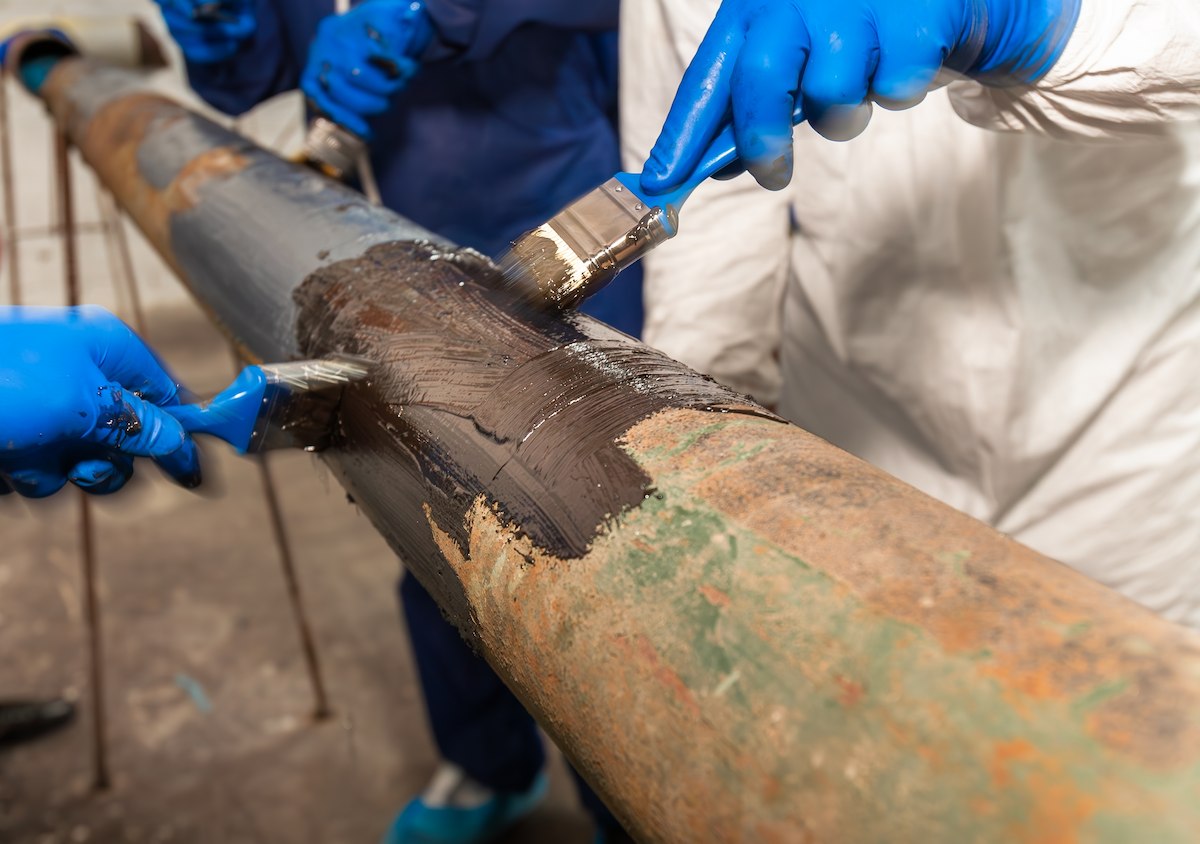
Epoxy coatings are commonly used in industrial pipelines because they are strong and resistant to chemicals. They can be applied as a liquid or powder and harden into a tough layer that sticks closely to the pipeline, protecting it from corrosion and chemical damage. Their strength makes them a good choice for tough environments, such as oil and gas operations.
Polyurethane Pipeline Coatings
Polyurethane coatings are well-suited for pipelines that experience mechanical stress or movement. They form a flexible but strong layer, so they can handle impacts and changes in pipeline size. These coatings are good at resisting abrasion and weather, but they do not resist chemicals as well as epoxy coatings. Because of this, they may not be the best option in harsh chemical environments. Engineers should consider their project’s needs to determine whether polyurethane is suitable.
Fusion-Bonded Epoxy Coating
Technicians apply fusion-bonded epoxy (FBE) coatings as a heated powder that melts and bonds to the pipeline, creating a dense, even layer. These coatings stick well, resist corrosion, and protect against moisture and chemicals, so they are used in oil and gas, chemical processing, and infrastructure. FBE works well across a wide range of temperatures and holds up under stress, but installing it requires specialized equipment and careful temperature control, which can make the process more complex and costly.
Applications and Performance Benefits of Pipeline Coatings
Pipeline coatings are designed to protect pipelines based on the specific environment and needs of each industry.
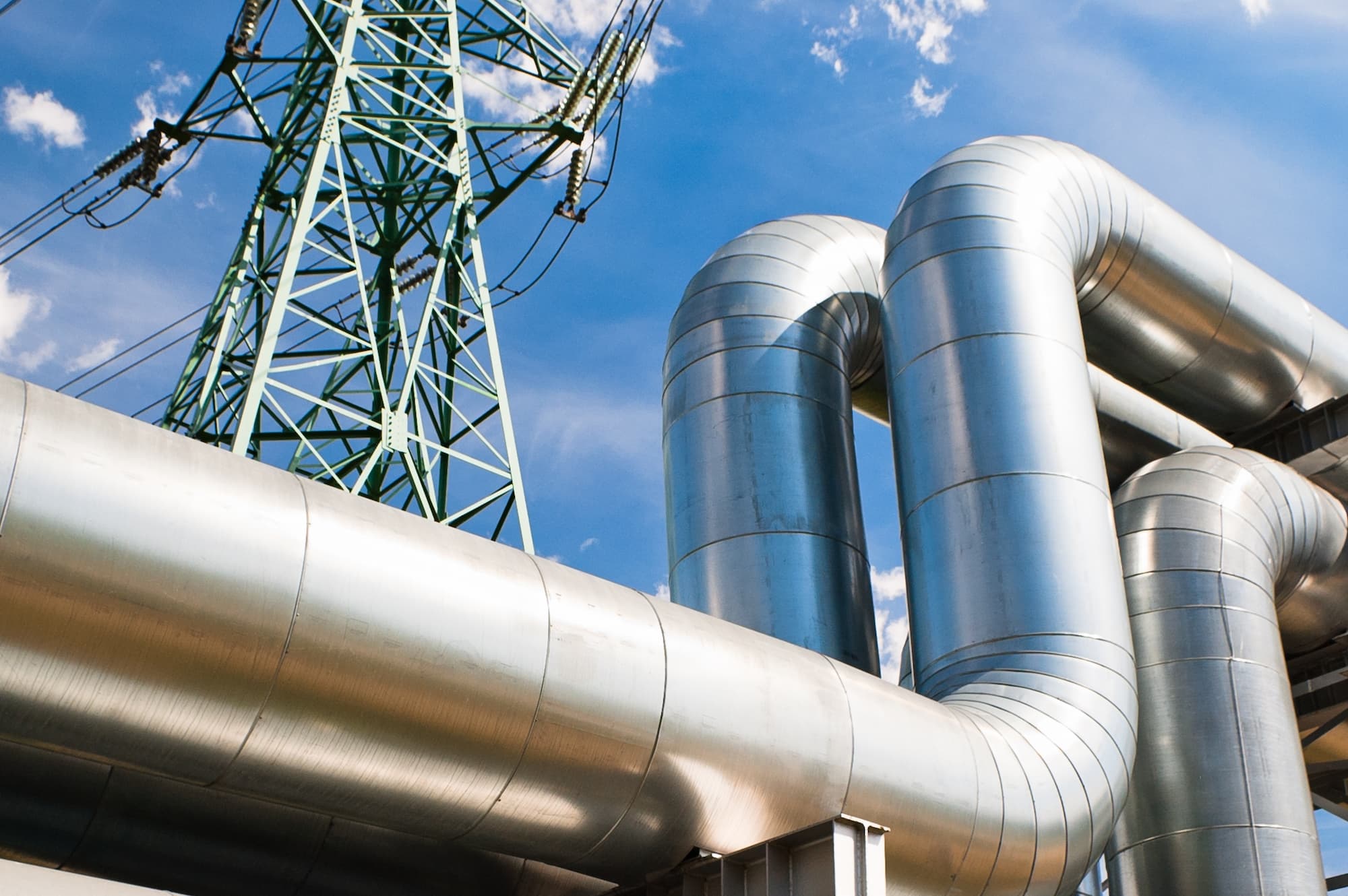
- Oil and Gas: Corrosion-resistant coatings help keep pipelines in good shape, reducing leaks and lowering the risk of environmental and financial problems. Epoxy and fusion-bonded epoxy coatings work well under the high pressure and temperature changes found in upstream and midstream operations.
- Marine Environments: Saltwater accelerates corrosion, but coatings such as polyurethane provide flexibility and resist impact, helping protect pipelines underwater or near the coast.
- Infrastructure: Bridges, water lines, and other structures use coatings that resist moisture, temperature changes, and chemicals. This helps them work well and stay safe over time.ng corrosive liquids or gases require coatings that form a durable barrier against aggressive substances. Epoxy coatings provide reliable corrosion resistance and help meet regulatory standards for industrial operations.
When operators choose coatings that match the environment, pipelines last longer, require less maintenance, and remain within industry standards. Using corrosion-resistant coatings properly protects assets, reduces disruptions, and supports good environmental practices.
Find the Right Pipeline Coating
Protective pipeline coatings are key to keeping infrastructure strong and lasting longer across industries. Knowing how coatings work helps professionals choose the option that best fits their needs. For expert advice on pipeline coatings, contact Step-Ko Products LLC. Our team can help protect your assets and improve your operations.
Image Source: Serhii Hrebeniuk / Shutterstock
Related Posts